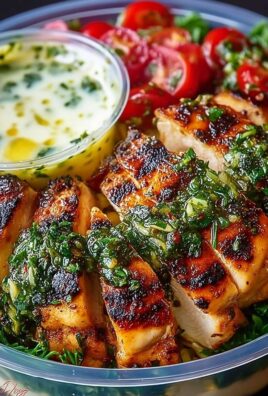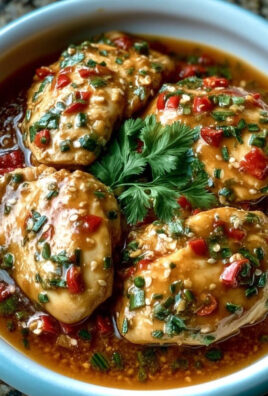
Cast Iron Skillet Meals That Taste Restaurant Level
Oh, prepare yourselves, because I am absolutely thrilled to share with you a recipe that I’ve been perfecting – it’s the kind of dish that will have everyone asking, “Did you really make this at home?” Yes, you did! I’m talking about Cast Iron Skillet Meals That Taste Restaurant Level, and believe me, it lives up to its name.
What makes this recipe truly special is how it harnesses the incredible power of your cast iron skillet. We’re not just cooking; we’re creating magic! The even heat distribution from the cast iron gives our beef a stunning, caramelized sear that locks in all its juicy tenderness. This isn’t just a weeknight meal; it’s an experience. You’ll be amazed at how such a straightforward, one-pan approach can yield flavors so complex and satisfying, truly rivaling your favorite bistro.
You are going to absolutely adore this recipe because it delivers on so many fronts. Imagine serving up a magnificent, hearty meal that looks and tastes like it took hours of complex preparation, but in reality, involved minimal fuss and even less cleanup! It’s perfect for impressing dinner guests, treating your family to something extraordinary, or simply elevating your own culinary skills. Plus, by swapping out pork for succulent beef and incorporating delicious non-alcohol alternatives, we ensure every bite is universally enjoyable and bursting with rich, comforting flavor.
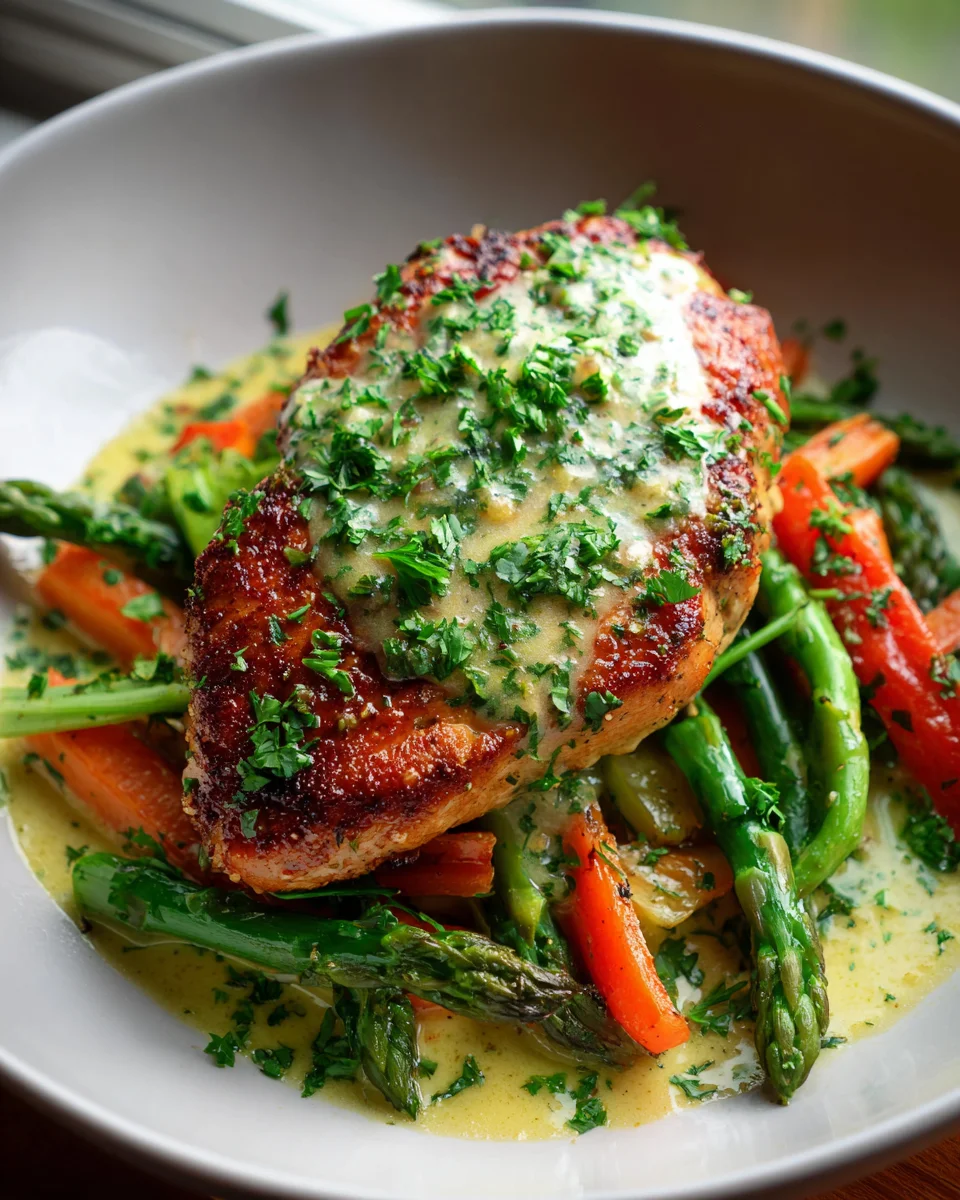
So, what exactly are we whipping up? Picture this: tender cuts of beef, seared to perfection, nestled amongst vibrant, perfectly cooked vegetables, all brought together in a robust, savory sauce that we’ll develop right in the skillet. Every ingredient contributes to a symphony of flavors and textures, making each spoonful an absolute delight. It’s comforting, elegant, and surprisingly simple to master. Get ready to fall in love with your cast iron all over again!

Ingredient Notes
Creating cast iron skillet meals that taste restaurant-level starts with truly appreciating your ingredients. I always say, high-quality components are half the battle won, especially when you’re aiming for that gourmet touch right in your own kitchen. For an elevated skillet experience, think about building layers of flavor with fresh, vibrant ingredients.
- The Star Protein: For that rich, satisfying restaurant feel, I love using cuts of beef like tenderloin medallions, a well-marbled sirloin, or even a robust flank steak. The cast iron skillet is exceptional at achieving that perfect, deep brown sear that locks in juices and creates incredible texture. If you’re looking for alternatives, consider boneless, skinless chicken thighs for their forgiving nature and ability to develop a crispy skin in the skillet, or even thick-cut firm tofu or halloumi cheese for a vegetarian option.
- Fresh Vegetables: These are crucial for texture, color, and flavor. I often reach for quick-cooking vegetables that can handle high heat and absorb flavor beautifully. Think slender asparagus spears, earthy cremini mushrooms, sweet bell peppers, or tender-crisp green beans. Aromatic vegetables like shallots and garlic are non-negotiable for building a flavorful base. Always opt for fresh produce – it truly makes a difference in taste and presentation.
- Quality Fats: To achieve that perfect sear without scorching, a high smoke point oil is essential. I personally prefer avocado oil or grapeseed oil. For finishing and adding incredible richness to your pan sauce, unsalted butter is your best friend. A small pat swirled in at the end can elevate the entire dish.
- Aromatics & Herbs: Fresh herbs are the secret weapon for restaurant-level flavor. Robust herbs like fresh thyme and rosemary infuse beautifully into hot fats and sauces, while delicate parsley or chives are perfect for a fresh finish. Good quality shallots, rather than just onions, bring a milder, sweeter aromatic base that feels more refined.
- Liquid for Deglazing & Sauce: A key technique for restaurant-level pan sauces is deglazing. For beef-based dishes, a rich, good quality beef broth is paramount. For that depth typically achieved with wine, I’ve found that non-alcoholic red wine alternatives, a rich mushroom broth, or even a blend of pomegranate or cranberry juice diluted with broth can provide fantastic complexity without the alcohol.
- Flavor Boosters: Don’t forget your secret weapons! A dash of Worcestershire sauce adds umami, a dollop of Dijon mustard provides a tangy kick and helps emulsify sauces, and a splash of good quality balsamic vinegar can add a lovely acidity and sweetness to balance the richness.
Step-by-Step Instructions
Alright, let’s get down to the magic! This is where your cast iron skillet truly shines, transforming simple ingredients into a restaurant-worthy masterpiece. Remember, the key is attention to detail and building flavors methodically.
- Prep Your Mise en Place: This French term means “everything in its place,” and it’s essential for a smooth cooking experience, especially in a fast-paced skillet meal. Have all your protein seasoned, vegetables chopped, liquids measured, and herbs ready to go. For beef, pat it thoroughly dry with paper towels and season generously with kosher salt and freshly ground black pepper. This dryness is crucial for achieving that superior crust.
- Preheat Your Skillet Like a Pro: Place your cast iron skillet over medium-high heat. Let it preheat for a good 5-7 minutes until it’s smoking ever so slightly. This even, intense heat is what gives cast iron its incredible searing ability. Add your high smoke point oil (like avocado or grapeseed) and let it shimmer.
- Sear Your Protein to Perfection: Carefully add your seasoned beef (or chosen protein) to the hot skillet. Do not overcrowd the pan; if necessary, sear in batches to ensure optimal browning. Resist the urge to move the protein for at least 3-4 minutes per side until a deep, golden-brown crust forms. This crust (or “fond”) is where much of your restaurant-level flavor comes from. Once seared to your desired doneness, remove the protein from the skillet and set it aside on a plate, tented loosely with foil, to rest. This resting period is critical for juicy results.
- Sauté Aromatics & Vegetables: Reduce the heat to medium. Add a little more oil or a pat of butter if needed. Toss in your chopped shallots and any hardier vegetables like mushrooms. Sauté, stirring occasionally, until softened and browned, typically 3-5 minutes. Add the garlic and fresh, woody herbs (like thyme or rosemary) and cook for another minute until fragrant, being careful not to burn the garlic.
- Deglaze and Build Your Pan Sauce: This is where the magic really happens! Pour in your non-alcoholic red wine alternative or beef broth, scraping up all those glorious browned bits (the fond) from the bottom of the pan with a wooden spoon. This is pure flavor! Allow the liquid to reduce by about half, letting those concentrated flavors develop, usually 2-3 minutes.
- Finish Your Sauce and Add Remaining Veggies: Stir in any flavor boosters like Dijon mustard or Worcestershire sauce. Add your quicker-cooking vegetables, such as asparagus spears, directly into the simmering sauce. Cook them until they are tender-crisp, absorbing all the wonderful flavors of the pan sauce, usually 2-4 minutes depending on their thickness.
- Reunite and Serve: Return your rested protein and any accumulated juices from the plate to the skillet, nestling it among the vegetables and sauce just to warm through, about 1-2 minutes. Swirl in a pat of cold butter off the heat for extra gloss and richness, if desired. Garnish with fresh, delicate herbs like chopped parsley or chives.
- Present with Flair: Serve your masterpiece directly from the cast iron skillet for a rustic, impressive presentation, or plate elegantly, ensuring each serving gets a generous spoonful of that incredible pan sauce.
Tips & Suggestions
Achieving that restaurant-level quality in your cast iron skillet meals isn’t just about following steps; it’s about embracing certain techniques and philosophies. Here are my top tips for elevating your skillet dishes:
- Master the Sear: This is paramount for restaurant-quality. Ensure your protein is very dry and your cast iron skillet is screaming hot before adding it. Don’t overcrowd the pan, or your ingredients will steam instead of sear, preventing that beautiful, flavorful crust. Less is more when it comes to batch cooking.
- Don’t Waste the Fond: Those browned bits stuck to the bottom of your skillet after searing? That’s “fond,” and it’s gold! Deglazing with broth or a non-alcoholic liquid scrapes up these flavorful morsels, which then dissolve into your pan sauce, adding incredible depth and complexity. Never scrub it away until after you’ve deglazed!
- Quality Over Quantity: When aiming for “restaurant level,” prioritize fresh, high-quality ingredients. A good cut of beef, vibrant vegetables, and fresh herbs will shine through in a way that lesser ingredients simply cannot.
- Season in Layers: Don’t just season at the beginning. Taste and adjust your seasoning (salt, pepper, a touch of acidity like lemon juice or vinegar) at various stages, especially when building your pan sauce. This layered approach ensures a well-balanced, flavorful dish.
- Embrace the Rest: If you’re searing a substantial piece of protein (like a steak or chicken breast), always let it rest for 5-10 minutes after cooking. This allows the juices to redistribute, resulting in a much more tender and moist finished product.
- Finishing Touches Matter: A swirl of cold butter at the end, a sprinkle of flaky sea salt, a squeeze of fresh lemon juice, or a scattering of fresh, vibrant herbs can brighten and round out the flavors, taking your dish from good to truly gourmet.
- Temperature Control: Cast iron retains heat incredibly well. Learn to adjust your heat settings. High for searing, medium for sautéing aromatics, and low for simmering sauces. Being mindful of the pan’s temperature prevents burning and ensures even cooking.
Storage
If you’re lucky enough to have leftovers from your incredible cast iron skillet meal, proper storage will help maintain its quality and flavor for enjoyment later. Most restaurant-level skillet meals, especially those with pan sauces, reheat surprisingly well.
- Cool Completely: Before storing, allow the meal to cool to room temperature (within 2 hours) on the counter. This prevents condensation and helps inhibit bacterial growth.
- Airtight Containers: Transfer any remaining food, including the sauce, to an airtight container. This protects it from air exposure, which can dry out ingredients and lead to spoilage.
- Refrigerate Promptly: Store the sealed container in the refrigerator for up to 3-4 days.
- Reheating: For best results, gently reheat your skillet meal. You can use your trusty cast iron skillet over medium-low heat, adding a splash of broth or water if the sauce seems too thick. Cover and warm through, stirring occasionally, until heated evenly. Alternatively, microwave on medium power in short bursts, stirring between each, to prevent overcooking your protein or drying out the vegetables.
Final Thoughts
And just like that, we’ve reached the end of our culinary journey! I truly hope you’re feeling as excited as I am about the possibilities that await in your kitchen. I’m absolutely convinced that exploring Cast Iron Skillet Meals That Taste Restaurant Level will utterly transform the way you approach home cooking. There’s a certain alchemy that happens when simple ingredients meet the consistent heat of cast iron, unlocking incredible depth and flavor that truly rivals your favorite restaurant dishes.
I believe this collection isn’t just about preparing a meal; it’s about discovering the immense satisfaction of creating something profoundly delicious and remarkably easy. Whether you’re savoring the rich, tender beef dishes or experimenting with fantastic non-alcohol alternatives to enhance your sauces, you’ll find these recipes are designed to impress without the fuss. So, grab your skillet, get ready to ignite your inner chef, and prepare to delight yourself and your loved ones with these truly restaurant-level creations. Your taste buds are in for an extraordinary treat!

Cast Iron Skillet Beef Dinners: Restaurant Quality at Home
- Total Time: 45 minutes
- Yield: 4 servings
Description
Experience the magic of cast iron skillet meals that taste like they came from a gourmet restaurant. This recipe combines tender beef with vibrant vegetables and a rich sauce for a delightful dining experience.
Ingredients
- Tenderloin medallions, sirloin, or flank steak
- Boneless, skinless chicken thighs (optional)
- Thick-cut firm tofu or halloumi cheese (vegetarian option)
- Asparagus spears
- Cremini mushrooms
- Sweet bell peppers
- Green beans
- Shallots
- Garlic
- Avocado oil or grapeseed oil
- Unsalted butter
- Fresh thyme
- Fresh rosemary
- Parsley
- Chives
- Good quality shallots
- Beef broth
- Non-alcoholic red wine alternatives
- Rich mushroom broth
- Pomegranate or cranberry juice diluted with broth
- Worcestershire sauce
- Dijon mustard
- Balsamic vinegar
- Kosher salt
- Freshly ground black pepper
Instructions
- Prep Your Mise en Place: Have all your protein seasoned, vegetables chopped, liquids measured, and herbs ready to go. For beef, pat it thoroughly dry with paper towels and season generously with kosher salt and freshly ground black pepper.
- Preheat Your Skillet Like a Pro: Place your cast iron skillet over medium-high heat and let it preheat for 5-7 minutes until it's smoking slightly. Add your high smoke point oil and let it shimmer.
- Sear Your Protein to Perfection: Carefully add your seasoned beef to the hot skillet. Do not overcrowd the pan; sear in batches if necessary. Sear for 3-4 minutes per side until a deep, golden-brown crust forms. Remove the protein and set aside to rest.
- Sauté Aromatics & Vegetables: Reduce the heat to medium. Add more oil or a pat of butter if needed. Toss in chopped shallots and hardier vegetables like mushrooms. Sauté for 3-5 minutes until softened. Add garlic and fresh herbs, cooking for another minute until fragrant.
- Deglaze and Build Your Pan Sauce: Pour in your non-alcoholic red wine alternative or beef broth, scraping up the browned bits from the bottom of the pan. Allow the liquid to reduce by about half, usually 2-3 minutes.
- Finish Your Sauce and Add Remaining Veggies: Stir in flavor boosters like Dijon mustard or Worcestershire sauce. Add quicker-cooking vegetables like asparagus and cook until tender-crisp, about 2-4 minutes.
- Reunite and Serve: Return your rested protein and any accumulated juices to the skillet, warming through for 1-2 minutes. Swirl in a pat of cold butter for extra gloss and richness. Garnish with fresh herbs.
- Present with Flair: Serve directly from the cast iron skillet or plate elegantly, ensuring each serving gets a generous spoonful of the pan sauce.
- Prep Time: 15 mins
- Cook Time: 30 mins
- Category: Dinner
- Method: Searing
- Cuisine: American
Nutrition
- Serving Size: 1 plate
- Calories: 600
- Sugar: 5 g
- Sodium: 800 mg
- Fat: 30 g
- Saturated Fat: 10 g
- Unsaturated Fat: 15 g
- Trans Fat: 0 g
- Carbohydrates: 40 g
- Fiber: 5 g
- Protein: 45 g
- Cholesterol: 120 mg
Keywords: For best results, ensure your protein is very dry and your skillet is hot before adding it. Don't overcrowd the pan to achieve the perfect sear.