Cantonese Chow Mein – just the name evokes images of glistening, savory noodles, perfectly crisp in parts, tender in others, all mingling with a medley of vibrant vegetables and succulent proteins. If you’ve ever dreamt of recreating that authentic, restaurant-quality experience in your own kitchen, I’m thrilled to tell you that it’s not only possible but wonderfully rewarding.
This iconic dish hails from the Guangdong province of China, a region celebrated for its sophisticated and balanced cuisine. Over generations, Cantonese Chow Mein has traveled across the globe, becoming a beloved staple in Chinese restaurants and homes worldwide. It’s more than just a meal; it’s a culinary journey, showcasing the masterful art of the wok and the beauty of contrasting textures.
Why This Dish Captures Hearts
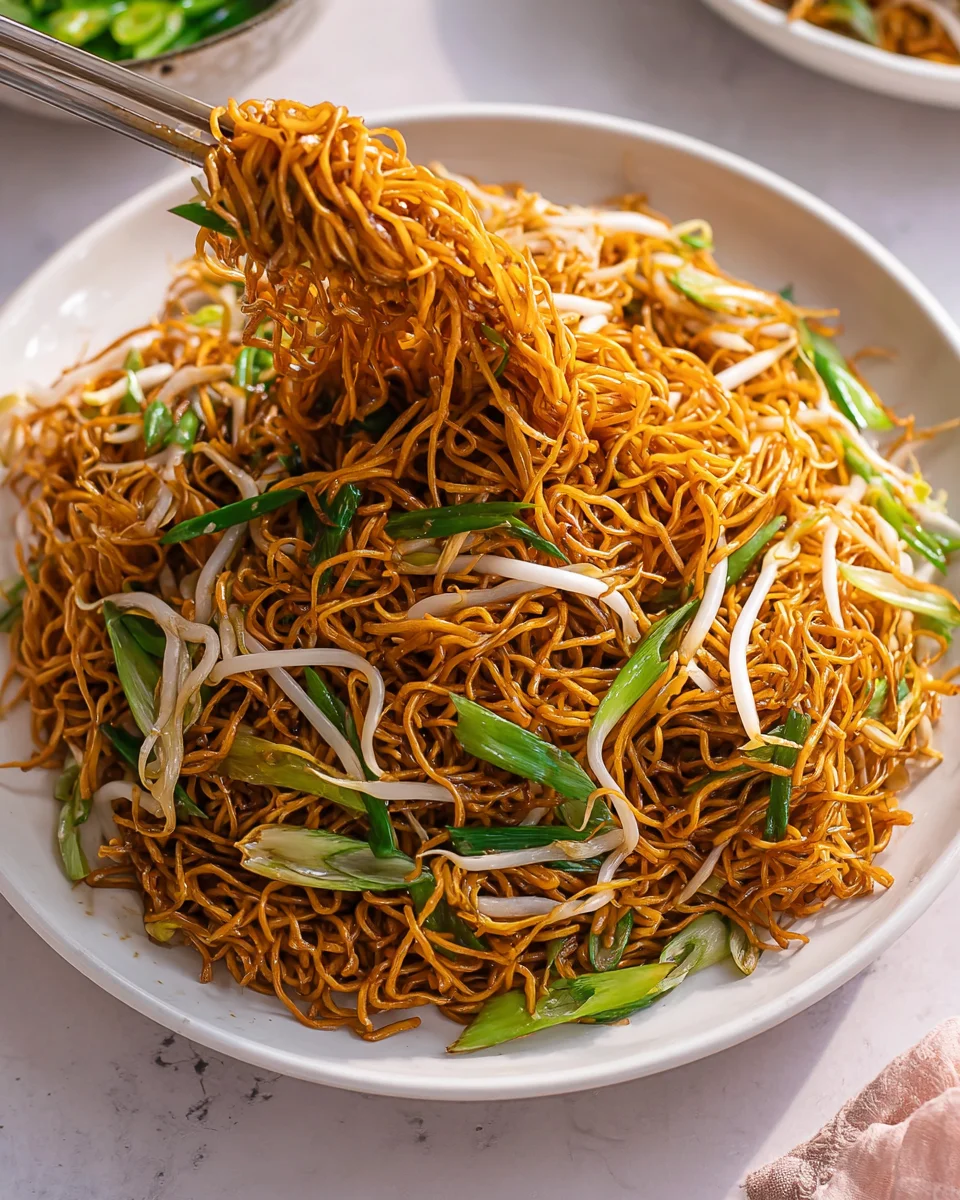
What makes this dish so universally adored? For me, it’s the irresistible combination of textures – the signature crunch of pan-fried egg noodles giving way to a softer, saucier interior, all enveloped in an umami-rich sauce that perfectly complements the tender meats and crisp-tender vegetables. It’s a dish that truly satisfies, offering both comfort and excitement with every forkful. Whether you’re a seasoned chef or a beginner in the kitchen, preparing this classic will quickly become a cherished culinary adventure.
Ingredients:
For the Chow Mein Noodles:
- 1 pound fresh or dried egg noodles (specifically labeled for Chow Mein or Hong Kong style pan-fried noodles)
- 2 tablespoons neutral cooking oil (like canola, vegetable, or peanut oil) for pan-frying
- Water for boiling
For the Marinade (for Chicken or Pork):
- 12 ounces boneless, skinless chicken breast or thigh, or lean pork loin, thinly sliced against the grain
- 1 tablespoon soy sauce (low sodium preferred)
- 1 teaspoon cornstarch
- 1 teaspoon sesame oil
- ½ teaspoon white pepper
For the Main Stir-Fry:
- 2 tablespoons neutral cooking oil, divided
- 1 small yellow onion, thinly sliced
- 2 cloves garlic, minced
- 1 inch fresh ginger, grated or very finely minced
- 1 cup sliced carrots (cut into thin rounds or julienned)
- 1 cup gai lan (Chinese broccoli), stems thinly sliced and leaves roughly chopped, or bok choy, quartered
- ½ cup sliced bell peppers (any color), cut into thin strips
- ½ cup bean sprouts
- Optional: ½ cup sliced mushrooms (shiitake or button work well)
For the Signature Cantonese Chow Mein Sauce:
- ½ cup chicken broth (low sodium)
- 2 tablespoons oyster sauce
- 1 tablespoon soy sauce (low sodium)
- 1 teaspoon sugar
- ½ teaspoon white pepper
- 1 tablespoon cornstarch, dissolved in 2 tablespoons cold water (cornstarch slurry)
For Garnish (Optional):
- Fresh cilantro, chopped
- Sesame seeds
- A drizzle of extra sesame oil
Preparing the Components
Marinating the Protein
- First things first, let’s get our protein ready. If you’re using chicken breast, I recommend slicing it against the grain into thin ¼-inch pieces. This helps keep it tender and ensures it cooks quickly and evenly in our Cantonese Chow Mein. For pork, the same thin slicing method applies.
- In a medium bowl, combine your sliced chicken or pork with the soy sauce, cornstarch, sesame oil, and white pepper. Use your hands to really work the marinade into the meat. The cornstarch is our secret weapon here; it creates a protective coating that keeps the meat incredibly tender and juicy during the high-heat stir-fry, a technique known as “velveting.”
- Once thoroughly mixed, set the marinated protein aside at room temperature for at least 15-20 minutes. If you’re prepping ahead, you can cover it and refrigerate for up to an hour, but bring it back to room temperature before cooking for best results.
Prepping the Noodles for Cantonese Chow Mein
- Bring a large pot of lightly salted water to a rolling boil. We want plenty of room for our noodles to swim freely.
- Add the chow mein noodles to the boiling water and cook according to package instructions, but usually only for 2-3 minutes. We’re aiming for al dente, a little bit chewy, because they’ll be cooked again later. The goal here isn’t to fully cook them through, but to loosen them up and remove any excess starch.
- Once they’re cooked to the right stage, immediately drain the noodles in a colander.
- Rinse the noodles thoroughly under cold running water. This is a crucial step! Rinsing stops the cooking process and prevents the noodles from sticking together, ensuring they remain separate and ready to get crispy later. Shake off as much excess water as possible.
- Spread the rinsed noodles out on a baking sheet lined with paper towels or a clean kitchen towel. Let them air dry for about 10-15 minutes. The drier the noodles are, the crispier they will become when pan-fried, which is a hallmark of authentic Cantonese Chow Mein. You can even pat them gently with another paper towel to absorb more moisture.
Chopping the Vegetables
- While the protein marinates and the noodles dry, it’s time to get all our vegetables prepped. Stir-frying happens fast, so having everything ready beforehand (mise en place) is absolutely essential for a successful Cantonese Chow Mein.
- Thinly slice the yellow onion. I like to cut it pole-to-pole, then slice into thin half-moons.
- Mince your garlic and ginger very finely. You can use a microplane for the ginger to get a paste-like consistency, which incorporates beautifully into the sauce.
- For the carrots, you can slice them into thin rounds or julienne them into matchsticks – whatever you prefer aesthetically. Ensure they are thin enough to cook quickly.
- If using gai lan (Chinese broccoli), separate the stems from the leaves. Slice the thicker stems thinly on an angle, and roughly chop the leaves. If using bok choy, quarter them lengthwise.
- Slice your bell peppers into thin strips. Any color works wonderfully here, adding both flavor and vibrant color to our Cantonese Chow Mein.
- Have your bean sprouts ready. These are typically added towards the very end to retain their crunch.
- If you’re adding mushrooms, slice them thinly.
Mixing the Signature Cantonese Chow Mein Sauce
- In a small bowl, whisk together the chicken broth, oyster sauce, soy sauce, sugar, and white pepper. Taste it – it should be savory with a hint of sweetness. This forms the flavor base of our Cantonese Chow Mein.
- In a separate tiny bowl or cup, combine the cornstarch with cold water to create a smooth slurry. Make sure there are no lumps; this is what will thicken our sauce to a luxurious sheen.
- Set both bowls aside. We’ll add the slurry at the end of the cooking process to achieve that classic glossy Cantonese Chow Mein sauce texture.
Cooking the Cantonese Chow Mein
Pan-Frying the Crispy Noodles
- Heat 2 tablespoons of neutral cooking oil in a large wok or a wide, heavy-bottomed non-stick pan over medium-high heat. We want the oil to be shimmering hot, but not smoking.
- Carefully add half of the boiled and drained chow mein noodles to the hot oil, spreading them evenly into a single layer. Press them down gently with a spatula to encourage contact with the hot surface. We’re aiming for a beautiful golden-brown crispness.
- Do not disturb the noodles for at least 3-4 minutes. Let them get truly crispy on the bottom. You’ll see the edges start to brown. This patience is key to achieving that satisfying crispy base for your Cantonese Chow Mein.
- Once one side is golden brown and crispy, carefully flip the noodle pancake over using a spatula or by sliding it onto a plate and then back into the pan. Cook the other side for another 3-4 minutes, until it’s also golden and crisp.
- Remove the crispy noodles from the pan and set them aside on a plate. Repeat this process with the remaining half of the noodles, adding a little more oil if needed. Our goal is two perfectly crispy noodle “patties” that will form the foundation of our Cantonese Chow Mein.
Stir-Frying the Protein
- Wipe out your wok or pan if necessary, then add 1 tablespoon of fresh neutral cooking oil and heat it over high heat until it’s almost smoking. A screaming hot wok is essential for proper stir-frying and gives us that desired “wok hei” (breath of the wok) flavor for our Cantonese Chow Mein.
- Add the marinated chicken or pork to the hot wok in a single layer. Avoid overcrowding the pan; if you have too much, cook it in two batches. Overcrowding will lower the temperature of the pan, steaming the meat instead of searing it, making it tough.
- Let the meat sear undisturbed for about 1 minute to get some nice color, then stir-fry rapidly for another 2-3 minutes until it’s mostly cooked through and beautifully browned. It doesn’t need to be completely cooked at this stage, as it will finish cooking with the vegetables and sauce.
- Remove the cooked protein from the wok and set it aside with the noodles.
Cooking the Vegetables
- Add the remaining 1 tablespoon of neutral oil to the same wok (or a little more if needed) and heat it over high heat.
- Toss in the sliced onions, carrots, and gai lan stems (or bok choy quarters). Stir-fry for 2-3 minutes until they start to soften slightly but still retain a bit of crunch. These are the harder vegetables, so they need a head start.
- Add the minced garlic and ginger to the wok. Stir-fry for about 30 seconds until fragrant. Be careful not to burn the garlic.
- Next, add the sliced bell peppers, gai lan leaves (if using), and mushrooms (if using). Continue to stir-fry for another 1-2 minutes until all the vegetables are crisp-tender. We want them vibrant and slightly firm, not mushy.
- Add the cooked protein back into the wok with the vegetables. Give everything a good toss to combine.
Combining and Finishing the Dish
- Give your prepared Cantonese Chow Mein sauce a quick whisk again to ensure all ingredients are well combined.
- Pour the sauce mixture over the protein and vegetables in the wok. Bring the sauce to a simmer, stirring constantly.
- As the sauce begins to simmer, give your cornstarch slurry a final stir (it tends to settle) and gradually pour it into the simmering sauce while stirring continuously. You’ll notice the sauce thickening quickly, transforming into that glossy, rich consistency we want for our Cantonese Chow Mein. Cook for about 30 seconds until the sauce is thick and clear.
- Finally, add the fresh bean sprouts to the wok. Stir them in quickly for just 15-30 seconds – we want them to remain crunchy! This adds a wonderful freshness and texture contrast to the rich sauce and tender ingredients.
- Taste the sauce and adjust seasonings if necessary. You might want a little more soy sauce or a pinch of sugar depending on your preference.
Serving Your Delicious Cantonese Chow Mein
Presentation Tips
- To serve this magnificent Cantonese Chow Mein, traditionally, you’ll place the crispy pan-fried noodles directly onto a large serving platter.
- Spoon the hot, saucy stir-fried protein and vegetable mixture generously over the top of the crispy noodles. The sauce will slowly begin to soften the noodles underneath, creating a delightful textural contrast – crispy on the bottom, tender and saucy on top. This is the magic of Cantonese Chow Mein!
- Garnish your masterpiece with a sprinkle of fresh chopped cilantro, a dash of sesame seeds, and perhaps an extra drizzle of sesame oil for an added aromatic touch.
- Serve immediately and encourage your guests to break into the crispy noodles to mix with the savory topping. Enjoy the fruits of your labor – a truly authentic and incredibly satisfying plate of homemade Cantonese Chow Mein!
Conclusion:
Well, my friends, we’ve reached the delicious culmination of our culinary journey together. I truly hope you’re feeling inspired and ready to whip up a masterpiece in your own kitchen. This isn’t just another stir-fry; it’s an experience, a symphony of textures and flavors that truly embodies the heart of Cantonese cuisine.
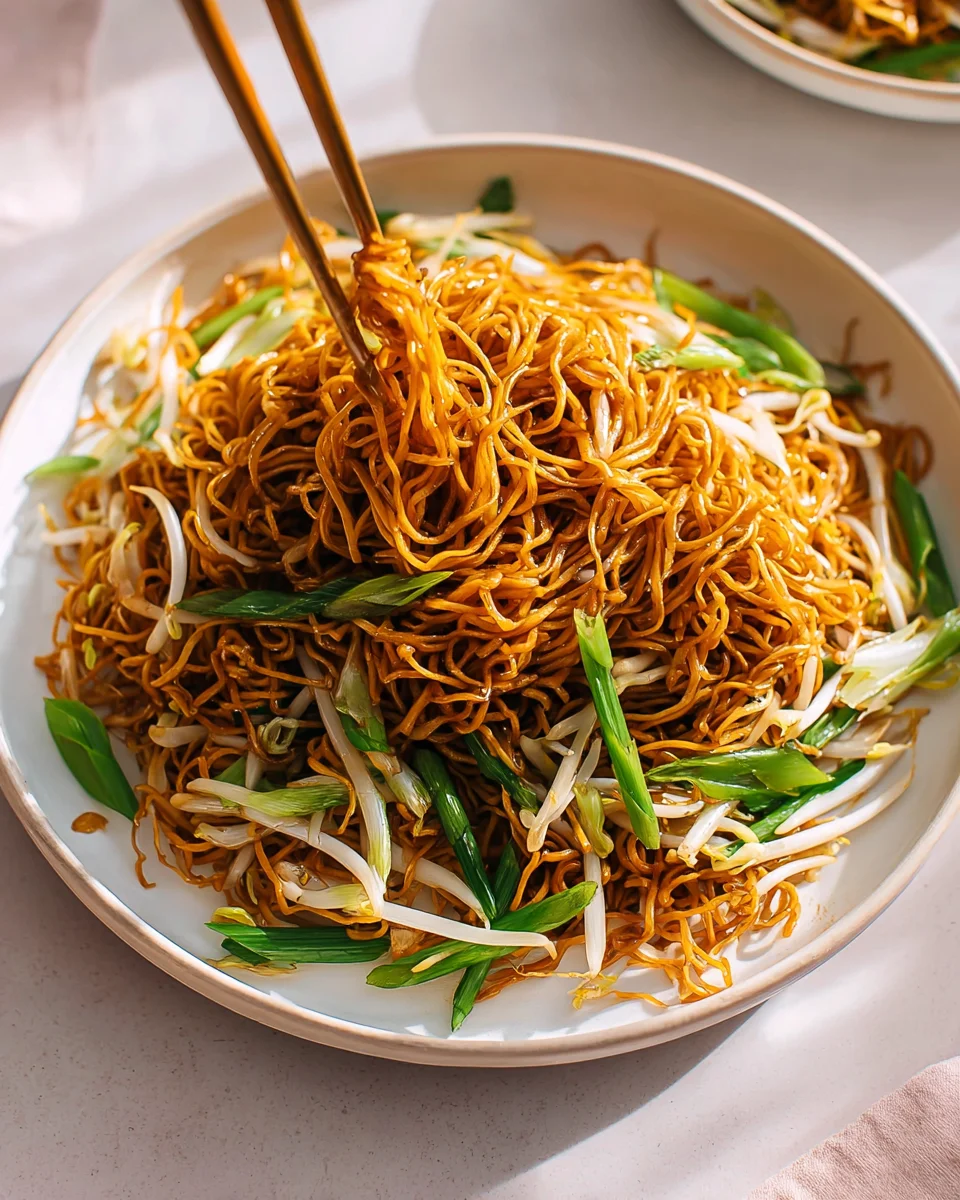
Why is this recipe an absolute must-try, you ask? Because it delivers that elusive, perfect balance. We’re talking about those gloriously crisp-then-tender noodles, forming a satisfying bed for a vibrant medley of ingredients. The savory sauce, a harmonious blend of soy, oyster, and perhaps a touch of sesame, coats every single morsel, ensuring a burst of umami with each bite. From the succulent slices of marinated pork or chicken to the crisp-tender snap of fresh gai lan or bok choy, every component plays a crucial role in creating a dish that is both comforting and incredibly exciting. It’s the kind of meal that brings a smile to your face, reminiscent of your favorite takeout but with the undeniable freshness and satisfaction that only a home-cooked meal can provide. Furthermore, mastering a classic like this provides a fantastic foundation for exploring other Asian dishes, building your confidence and expanding your repertoire. There’s a certain pride that comes with serving up a dish that looks as good as it tastes, and this Cantonese Chow Mein certainly fits the bill, promising to impress anyone at your table.
But the beauty of a dish like this lies not just in its perfection, but also in its incredible adaptability. While the recipe we’ve shared offers a classic rendition, don’t hesitate to make it your own. Feeling adventurous? Swap out the traditional proteins! Shrimp adds a delightful sweetness and quick-cooking convenience, making it perfect for a weeknight meal. For a plant-based twist, extra-firm tofu, pressed and pan-fried until golden, absorbs the rich sauce beautifully, providing a hearty and satisfying alternative. You could also experiment with different vegetables – thinly sliced bell peppers, snow peas, or even a handful of shiitake mushrooms would add new dimensions of flavor and texture. For those who enjoy a little heat, a pinch of chili flakes or a drizzle of chili oil at the end can elevate the experience without overpowering the delicate balance. And speaking of variations, imagine serving this not just as a standalone meal, but as part of a larger, festive spread! It pairs wonderfully with steamed dumplings, crispy spring rolls, or even a light hot and sour soup. For a truly authentic experience, pair it with some traditional Chinese tea, or a crisp, light lager to complement its rich flavors.
So, what are you waiting for? Dust off your wok, gather your ingredients, and embark on this culinary adventure. I promise you, the reward – a steaming plate of incredibly flavorful and satisfying Cantonese Chow Mein – will be well worth the effort. There’s nothing quite like the pride of creating such a delicious and authentic dish from scratch. Once you’ve enjoyed every last strand, I would absolutely love to hear about your experience! Did you stick to the recipe, or did you add your own unique twist? What was your favorite part of the cooking process, or the most surprising flavor combination you discovered? Please don’t hesitate to share your cooking triumphs, your photos, and your invaluable feedback in the comments below. Your insights not only make my day but also inspire countless other home cooks in our community. Happy cooking, and bon appétit!
Flavorful Cantonese Beef Chow Mein Recipe – Quick & Easy!
Recreate authentic, restaurant-quality Cantonese Chow Mein at home with this quick and easy recipe. Featuring crispy and tender noodles, savory beef, and a medley of vibrant vegetables in an umami-rich sauce.
Ingredients
Instructions
Important Information
Nutrition Facts (Per Serving)
It is important to consider this information as approximate and not to use it as definitive health advice.
Allergy Information
Please check ingredients for potential allergens and consult a health professional if in doubt.