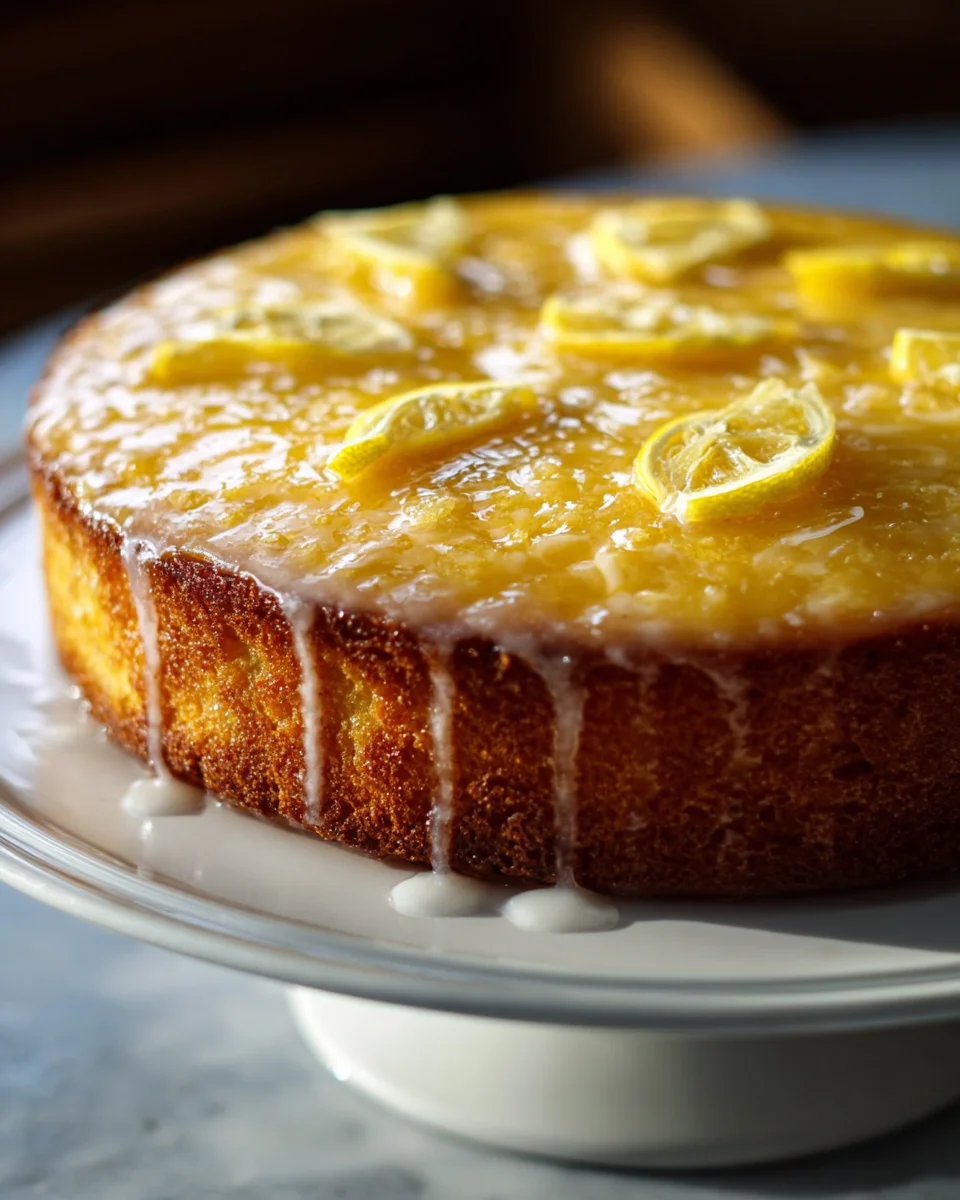
A Lemon Cake To Die For – an audacious claim, perhaps, but one bite of this incredible dessert, and I promise you’ll understand why. Imagine sinking your teeth into a slice of pure sunshine: a delicate crumb that practically melts in your mouth, bursting with the vibrant, zesty flavor of fresh lemons, perfectly balanced by a sweet, tangy glaze. This isn’t just any cake; it’s an experience. Lemon-infused desserts have graced tables for centuries, particularly in regions abundant with citrus, celebrated for their refreshing qualities that cut through richness and invigorate the palate. From sophisticated European patisseries to bustling Mediterranean kitchens, the simple lemon has transformed into confectionery masterpieces.
What makes people fall head over heels for this particular creation? It’s the impeccable harmony. We’ve meticulously crafted a recipe that ensures a consistently moist texture, an intense citrus aroma that fills your kitchen as it bakes, and a flavor profile that is neither too tart nor too sweet – it’s just right. The bright, uplifting taste of lemon makes it a versatile treat, perfect for any occasion, from a casual afternoon tea to a grand celebratory dinner. Trust me when I say, once you try making this, you’ll agree it truly is A Lemon Cake To Die For.
Ingredients:
-
For the Lemon Cake:
- 2 ½ cups (300g) all-purpose flour, sifted
- 1 teaspoon baking powder
- ½ teaspoon baking soda
- ½ teaspoon salt
- 1 cup (226g) unsalted butter, softened to room temperature
- 2 cups (400g) granulated sugar
- 4 large eggs, at room temperature
- 1 tablespoon lemon zest (from about 2-3 medium lemons)
- ½ cup (120ml) fresh lemon juice (from about 3-4 medium lemons)
- 1 cup (240ml) buttermilk, at room temperature
- 1 teaspoon pure vanilla extract
-
For the Lemon Syrup:
- ½ cup (100g) granulated sugar
- ¼ cup (60ml) fresh lemon juice
- ¼ cup (60ml) water
-
For the Lemon Glaze:
- 2 cups (240g) powdered sugar (confectioners’ sugar), sifted
- 3-4 tablespoons fresh lemon juice (start with 3 and add more if needed)
- 1 tablespoon unsalted butter, melted
- ½ teaspoon lemon zest (optional, for extra lemon punch)
Preparing the Cake Batter
- Preheat and Prepare: My first step, and a crucial one for any successful baking adventure, is to preheat my oven to 350°F (175°C). While the oven gets nice and toasty, I grab a 9×13 inch baking pan. I like to prepare it by greasing it thoroughly with butter or non-stick spray, then dusting it lightly with flour. Make sure to tap out any excess flour. This little step ensures your beautiful lemon cake will release easily, leaving you with a perfect slab of sunshine.
- Whisk the Dry Ingredients: In a medium bowl, I combine all the dry goodness: the sifted all-purpose flour, baking powder, baking soda, and salt. I give it a good whisk for about 30 seconds to a minute until everything is thoroughly combined. This ensures that the leavening agents are evenly distributed, which means a perfectly risen and consistent crumb throughout the cake. Set this bowl aside for a moment.
- Cream Butter and Sugar: Now for the star of the show! In the large bowl of my stand mixer, fitted with the paddle attachment (or using a large bowl and a handheld electric mixer), I add the softened unsalted butter and granulated sugar. I start on medium speed and let the mixer work its magic for a good 5 to 7 minutes. This is where the magic really begins. You’re looking for a transformation here: the mixture should become incredibly light, pale yellow, and wonderfully fluffy. This creaming process incorporates air into the butter and sugar, which is absolutely crucial for creating a tender, light, and airy crumb for your lemon cake. Don’t rush this step, it’s worth every second!
- Add Eggs One at a Time: Once that butter and sugar mixture is beautifully light and fluffy, I start adding the large eggs, one at a time. After each egg addition, I beat the mixture well until it’s fully incorporated before adding the next. This ensures that each egg emulsifies properly into the batter, preventing any curdling and keeping the mixture smooth. Scrape down the sides of the bowl often with a rubber spatula, just to make sure everything is getting properly mixed. After all four eggs are in, I beat for another minute or two, ensuring the mixture is smooth and glossy.
- Infuse with Lemon Zest: Here’s where we really dial up the lemon flavor. I add the tablespoon of fresh lemon zest to the wet mixture and beat it in for about 30 seconds. The oils in the zest are packed with flavor, and beating them in at this stage helps to release those aromatic compounds, ensuring every bite of your cake is bursting with bright lemon goodness. The scent alone at this point is enough to make your mouth water!
- Combine Wet Ingredients: In a separate small bowl or liquid measuring cup, I whisk together the fresh lemon juice, buttermilk, and vanilla extract. This creates a uniform liquid mixture that will be added to our butter and sugar base. Having these ingredients at room temperature is important as it helps them emulsify better and results in a smoother batter, preventing any temperature shock that might seize the butter.
- Alternate Adding Dry and Wet Mixtures: Now it’s time to bring all our elements together. With the mixer on low speed, I alternate adding the dry ingredients mixture and the wet buttermilk mixture to the butter-egg-sugar mixture. I usually start and end with the dry ingredients. So, I add about one-third of the dry ingredients, mix just until combined, then add half of the wet mixture, mix, then another third of the dry, mix, the remaining wet mixture, mix, and finally, the last third of the dry ingredients. The key here is not to overmix! Overmixing develops the gluten in the flour too much, leading to a tough and dry cake – the exact opposite of what we want for “A Lemon Cake To Die For.” As soon as the last streaks of flour disappear, I stop the mixer. A few lumps are perfectly fine; in fact, they’re preferred over a tough cake. I give the batter one final gentle fold with a rubber spatula, just to make sure everything at the bottom and sides of the bowl is incorporated.
Baking the Cake
- Pour into Pan and Bake: I carefully pour the glorious lemon cake batter into my prepared 9×13 inch baking pan. I use my spatula to spread it evenly into all the corners, making sure the top is relatively flat. Then, I gently tap the pan on the counter a couple of times to release any large air bubbles. This helps create an even rise and prevents big holes in your cake.
- Into the Oven: I carefully place the pan into the preheated 350°F (175°C) oven. The baking time will typically be between 30 to 35 minutes. However, oven temperatures can vary, so it’s always best to keep an eye on it.
- Check for Doneness: Around the 30-minute mark, I start checking for doneness. I insert a wooden skewer or a toothpick into the center of the cake. When it comes out clean or with just a few moist crumbs attached (no wet batter), the cake is perfectly baked. If it still looks wet, I let it bake for a few more minutes and check again. Don’t overbake, or your cake might dry out!
- Cool the Cake: Once baked to perfection, I remove the cake from the oven and place it on a wire rack. I let it cool in the pan for about 10-15 minutes. This initial cooling allows the cake to set and firm up a bit before we do the next delicious step. After 10-15 minutes, I carefully invert the cake onto the wire rack to cool completely. Cooling it directly on the wire rack ensures air circulation all around, preventing a soggy bottom and allowing it to cool down faster.
Making the Lemon Syrup
While the cake is still warm and resting, it’s the perfect time to whip up our lemon syrup. This syrup is a secret weapon for creating “A Lemon Cake To Die For” because it infuses even more zesty flavor and keeps the cake incredibly moist.
- Combine Ingredients: In a small saucepan, I combine the granulated sugar, fresh lemon juice, and water for the syrup.
- Simmer and Dissolve: I place the saucepan over medium heat and stir constantly until the sugar completely dissolves. Once the sugar has dissolved, I bring the mixture to a gentle simmer. I let it simmer for just 1-2 minutes, then immediately remove it from the heat. We’re not trying to thicken it into a glaze, just to ensure the sugar is fully incorporated and the flavors meld.
- Syrup Application: Once the syrup is ready, and while the cake is still warm (either in the pan or gently inverted onto the cooling rack, whichever you prefer for easier application), I take a pastry brush and generously brush the warm lemon syrup all over the top and sides of the cake. If the cake is on the wire rack, you can even brush the bottom for maximum moisture. I pay special attention to the edges, as they can sometimes dry out faster. The warm cake will absorb this glorious syrup like a sponge, locking in moisture and intensifying that vibrant lemon flavor. Let the cake cool completely with the syrup absorbed before moving on to the glaze. This step is non-negotiable for a truly moist and flavorful lemon cake!
Making the Lemon Glaze
The lemon glaze is the final touch that elevates this cake from simply good to truly unforgettable. It adds a beautiful sheen, another layer of tangy sweetness, and a lovely texture.
- Sift Powdered Sugar: In a medium bowl, I start by sifting the powdered sugar. This is a crucial step to avoid any lumps in your glaze, ensuring a perfectly smooth and pourable consistency. Trust me, it makes a big difference in the final look and feel.
- Combine Glaze Ingredients: To the sifted powdered sugar, I add 3 tablespoons of fresh lemon juice, the melted unsalted butter, and the optional (but highly recommended!) ½ teaspoon of lemon zest.
- Whisk Until Smooth: I use a whisk to mix all the ingredients together until the glaze is completely smooth and free of any lumps. At this point, I assess the consistency. What you’re aiming for is a thick yet pourable consistency. It should be able to slowly drip off your whisk, not run like water, but also not be so thick it’s like paste. If it’s too thick, I add the remaining tablespoon of lemon juice, a tiny bit at a time (like half a teaspoon), mixing well after each addition until I reach that perfect consistency. If, by some chance, it becomes too thin (it happens to the best of us!), you can simply whisk in a little more sifted powdered sugar until it thickens up.
Assembling and Finishing
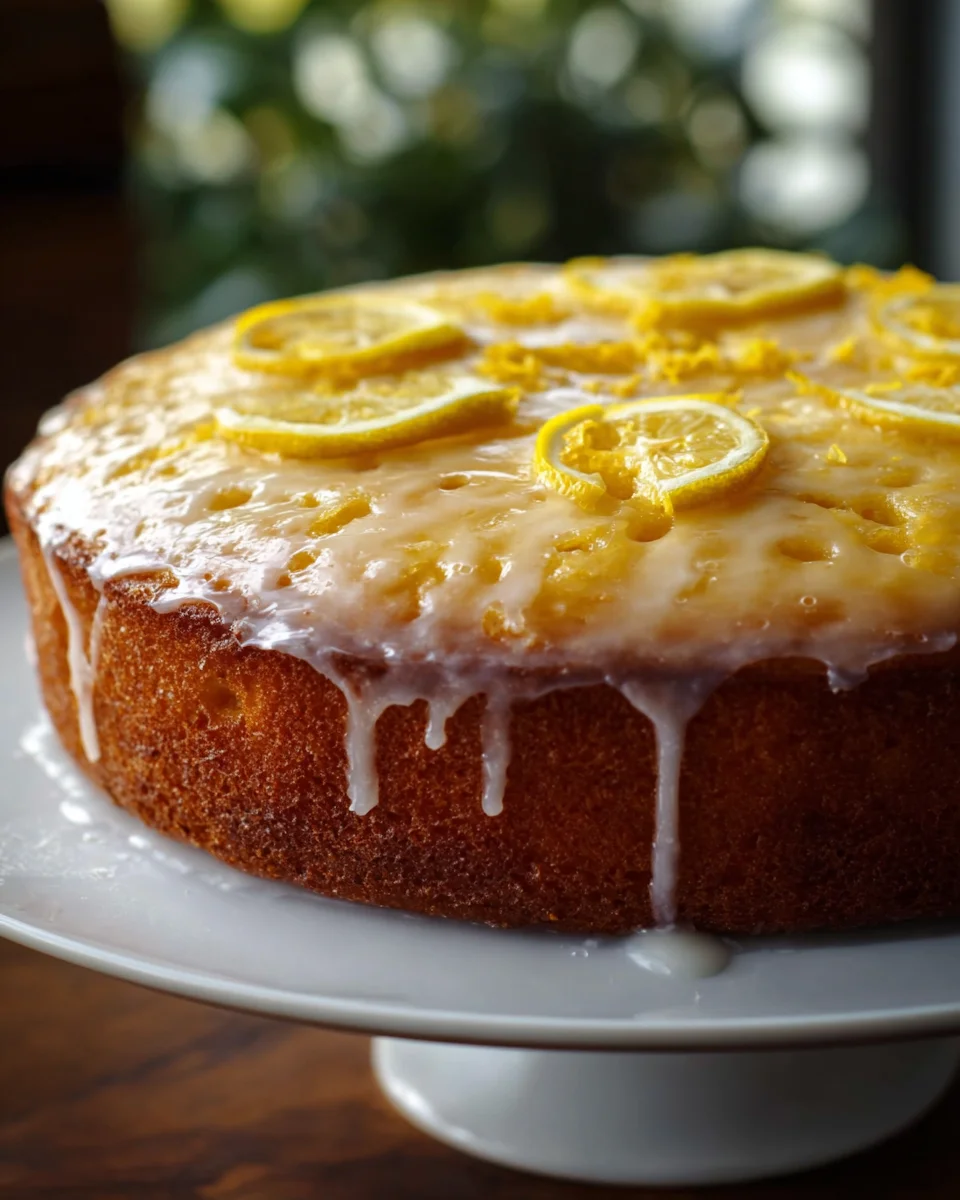
- Glaze Application: Once the lemon cake has completely cooled (and I mean completely – if it’s even slightly warm, your beautiful glaze will melt right off!), I carefully pour the prepared lemon glaze over the top of the cake. I use the back of a spoon or an offset spatula to gently spread the glaze evenly across the entire surface, letting some of it artfully drip down the sides. The drips are part of the charm!
- Allow Glaze to Set: After applying the glaze, I let the cake sit undisturbed for at least 30 minutes, or even an hour, to allow the glaze to set and firm up. This will create a lovely crisp shell on top of your incredibly moist cake. If you’re feeling fancy, you can garnish with a few extra wisps of fresh lemon zest before the glaze fully sets.
- Slice and Serve: Once the glaze is set, your masterpiece, “A Lemon Cake To Die For,” is ready to be sliced and served! I find that a sharp knife, wiped clean between slices, helps to get those perfect, clean cuts.
- Storage: Any leftover lemon cake can be stored at room temperature in an airtight container for up to 3-4 days, though I highly doubt it will last that long! The syrup and glaze help keep it wonderfully fresh and moist. Enjoy every single bright, zesty bite of this truly exceptional lemon cake!
Conclusion:
After guiding you through every step, I truly hope you’re as excited as I am about what awaits you with this incredible recipe. We’ve journeyed through the simple magic of combining everyday ingredients to create something truly extraordinary. What makes this particular cake a non-negotiable addition to your baking repertoire isn’t just its breathtaking aroma that fills your kitchen or its stunning golden hue. It’s the perfect symphony of flavors and textures that dance on your palate with every single bite. The crumb is impossibly tender, moist without being dense, practically melting in your mouth. And the lemon, oh, the lemon! It’s bright, zesty, and utterly invigorating, cutting through the sweetness with a vibrant tang that leaves you craving just one more slice. This isn’t just any dessert; it’s a feeling, an experience. It’s the kind of cake that brings smiles to faces, sparks conversation, and creates cherished memories around the table. Trust me when I say, once you taste that perfect balance, that unparalleled freshness, you’ll understand why many call this truly A Lemon Cake To Die For. It’s a testament to how simple ingredients, when treated with a little love and the right technique, can yield such profound deliciousness that elevates any occasion, big or small.
Now that you’re imagining that first divine bite, let’s talk about how to elevate your experience even further, though honestly, it’s perfect all on its own. For a simple, elegant afternoon treat, I adore serving a slice alongside a steaming cup of Earl Grey tea or a freshly brewed coffee. The rich, earthy notes of the beverages provide a beautiful contrast to the cake’s zesty brightness. If you’re looking for something a bit more decadent, a dollop of freshly whipped cream, lightly sweetened and perhaps infused with a touch of vanilla or even more lemon zest, is an absolute dream. The creaminess adds another layer of luxury and complements the cake’s tender crumb perfectly. For a vibrant dessert presentation, especially in warmer months, consider pairing a slice with a medley of fresh berries – raspberries, blueberries, or sliced strawberries all offer a fantastic burst of contrasting sweetness and tartness, making the plate look as good as it tastes. A small scoop of high-quality vanilla bean ice cream or a scoop of lemon sorbet could also be an inspired choice, turning a simple cake into a sophisticated plated dessert for any special occasion. My personal favorite, however, is simply enjoyed as is, allowing the pure, unadulterated lemon flavor to truly shine through in all its glory.
But the beauty of baking lies in its endless possibilities for personalization, and this recipe is no exception. While the classic lemon glaze we discussed is undeniably perfect, don’t shy away from experimenting! You could swap out a portion of the lemon juice in the glaze for lime or orange juice to create a delightful citrus blend, or even add a tiny pinch of ground cardamom or ginger for an unexpected aromatic twist that adds warmth and complexity. For those who love a bit of texture, gently fold in a handful of poppy seeds into the batter before baking for a classic lemon poppy seed variation that adds a subtle crunch. Or, for a nutty crunch, toasted slivered almonds or finely chopped pistachios could be folded into the batter, or sprinkled generously over the glaze once it’s set for an elegant finish. Imagine a lavender-infused glaze for a truly unique and fragrant experience, or a light coconut glaze for a tropical twist that will transport your taste buds to a sunny beach. If you’re feeling extra indulgent, a simple cream cheese frosting, lightly flavored with lemon, would transform this elegant cake into a more celebratory confection, ideal for birthdays or holidays.
Don’t be afraid to make this recipe truly your own!
Let your creativity guide you and discover new favorite flavor combinations that will impress everyone who tries a slice.
So, what are you waiting for? I wholeheartedly encourage you to roll up your sleeves, gather your ingredients, and embark on this wonderful baking journey. There’s an immense satisfaction that comes from creating something so delicious from scratch, and even more so from sharing it with loved ones. Imagine the look on their faces when they take that first bite, experiencing the perfect blend of tart and sweet, moist and tender! I promise you, the effort is minimal compared to the incredible reward of a perfectly baked, incredibly flavorful cake that tastes like it came from a high-end patisserie. Once you’ve made it, and perhaps even put your own unique spin on it, I would absolutely love to hear about your experience. Did you add a special ingredient? Did you serve it in a unique way? What was the general consensus from your tasters? Sharing your stories and tips not only inspires me but also helps other home bakers in our community discover new ways to enjoy and customize this delightful treat. Let’s make our kitchens buzzing with the scent of this magnificent creation. Go forth and bake, my friends! You won’t regret discovering the pure joy of baking and tasting this truly unforgettable treat.
Unforgettable Lemon Cake Recipe: A Must-Try for Dessert Lovers
Imagine sinking your teeth into a slice of pure sunshine: a delicate crumb that practically melts in your mouth, bursting with vibrant, zesty fresh lemon flavor, perfectly balanced by a sweet, tangy glaze. This isn’t just any cake; it’s an experience.
Ingredients
Instructions
Important Information
Nutrition Facts (Per Serving)
It is important to consider this information as approximate and not to use it as definitive health advice.
Allergy Information
Please check ingredients for potential allergens and consult a health professional if in doubt.