
One chilly evening, I recall sitting around the table with my family, the air filled with laughter and the tantalizing aroma of Korean beef bulgogi wafting from the kitchen. My mom would lovingly prepare the marinated beef, letting it sizzle on the stove, the rich scents of garlic and ginger mingling together. It was a comforting ritual, one that always made me feel at home. As we tucked into our bowls, the sweet and savory flavors danced on our tongues, each bite a reminder of our shared moments and stories.
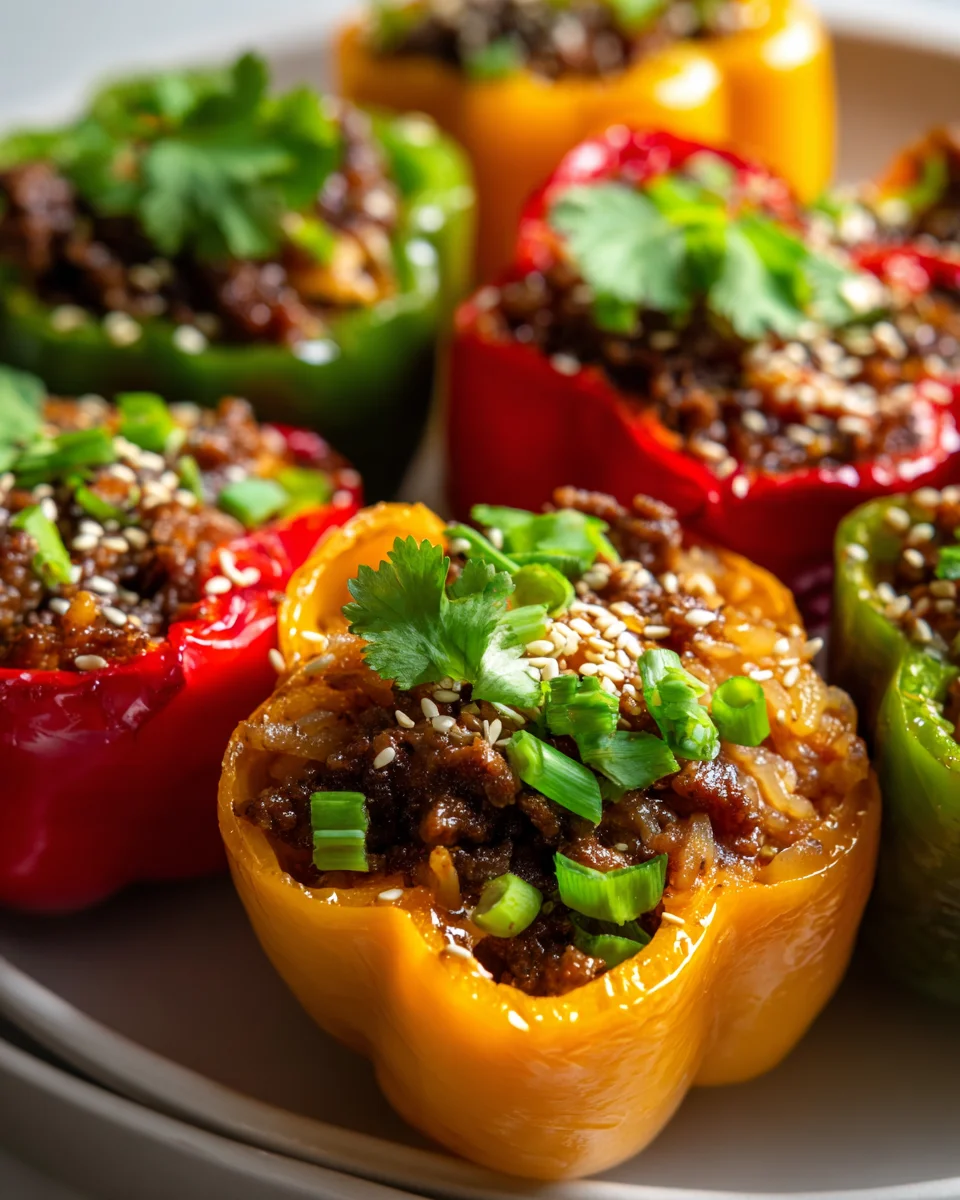
Now, imagine that beloved dish reimagined in a vibrant, colorful way: Korean Beef Bulgogi Stuffed Bell Peppers with Rice. Picture bright red, yellow, and green bell peppers, their glossy skins holding a treasure trove of tender beef marinated in a luscious blend of soy sauce, brown sugar, and sesame oil. As the peppers roast, they release an inviting sweetness, while the beef and rice meld together, creating a hearty filling that holds all the classic flavors of bulgogi. The first bite is a symphony of tastes—sweet, savory, and slightly smoky, with the peppers adding a delightful crunch.
This recipe is special to me because it combines my love for traditional Korean flavors with a fun and healthy twist. It’s not just a meal; it’s a fusion of nostalgia and creativity that brings my family together, just as it always has. Let me show you exactly how to make it!
Why You’ll Love This Recipe
- Ready in under 45 minutes, making it a perfect weeknight dinner option that won’t keep you in the kitchen for hours.
- The balance of flavors from the savory beef bulgogi filling, combined with the sweetness of the bell peppers, creates a delightful taste explosion.
- Each stuffed pepper is a colorful, hearty meal packed with protein, fiber, and essential nutrients, making it a balanced option for the whole family.
- Customizable to your spice preference — you can easily adjust the Gochujang to make it milder or hotter.
- Budget-friendly, using affordable ingredients that are often already in your pantry, ensuring you don’t break the bank to enjoy a Korean-inspired meal.
Ingredients
- 1 lb (450g) ground beef (preferably flank steak, thinly sliced)
- 3 tablespoons soy sauce
- 2 tablespoons brown sugar
- 1 tablespoon sesame oil
- 2 teaspoons minced garlic (about 2 cloves)
- 1 teaspoon minced ginger
- 1 tablespoon Gochujang (Korean red chili paste) – adjust for spice preference
- 1 tablespoon rice vinegar
- 1 tablespoon scallions, finely chopped (green part only)
- 1 tablespoon sesame seeds
- 1 small carrot, julienned
- 1 small onion, thinly sliced
- 1 cup mushrooms, thinly sliced (shiitake or button mushrooms work well)
- Salt and pepper to taste
- 1 cup jasmine rice (or short-grain rice)
- 2 cups water
- Pinch of salt
- 4 large bell peppers (any color: red, yellow, or green)
- Olive oil for drizzling
- Salt and pepper to taste
When it comes to key ingredients, the ground beef is crucial for achieving that rich, savory flavor characteristic of bulgogi. Flank steak is recommended for its tenderness, but you can substitute it with ground turkey or pork if desired. Soy sauce adds umami and depth, while brown sugar balances the saltiness with a hint of sweetness. For a gluten-free option, use tamari instead. Gochujang is the heart of this dish — its spiciness can be adjusted according to your preference, and if you cannot find it, a mixture of chili powder and a touch of honey can serve in a pinch. The bell peppers not only provide a colorful presentation but also add natural sweetness and a satisfying crunch when roasted.
Step-by-Step Instructions
- Preheat your oven to 375°F (190°C). This temperature will help roast the bell peppers perfectly, ensuring they are tender yet still retain some structure.
- In a medium saucepan, combine 1 cup of jasmine rice, 2 cups of water, and a pinch of salt. Bring it to a boil over medium-high heat. Once boiling, reduce the heat to low, cover, and simmer for 18-20 minutes. You’ll know it’s done when all the water is absorbed and the rice is fluffy.
- While the rice is cooking, prepare the beef bulgogi filling. In a large skillet over medium heat, add the ground beef. Cook for about 5-7 minutes, breaking it up with a spatula until it’s browned and cooked through. Aim for a nice golden color without burning.
- Add the minced garlic and ginger to the skillet with the beef, stirring constantly for about 1 minute until fragrant. This step is crucial as it infuses the beef with aromatic flavors.
- Next, stir in the soy sauce, brown sugar, sesame oil, Gochujang, and rice vinegar. Mix well and let it simmer for another 2-3 minutes until the sauce thickens slightly and coats the beef. Be careful not to let it burn; keep an eye on the heat.
- Incorporate the sliced onions, mushrooms, carrots, scallions, and sesame seeds into the beef mixture. Cook for an additional 5 minutes until the vegetables are softened but still vibrant. This adds texture and freshness to your filling.
- While the filling is cooling slightly, prepare the bell peppers. Cut the tops off the peppers and remove the seeds. Drizzle a little olive oil inside each pepper and season with salt and pepper. This will enhance the flavor of the peppers as they roast.
- Once the rice is cooked, fluff it with a fork and mix it gently into the beef filling. Ensure everything is well combined; this will make each bite perfectly balanced.
- Stuff each bell pepper generously with the beef and rice mixture, packing it down gently. Place the stuffed peppers upright in a baking dish, allowing them to stand on their own.
- Cover the baking dish with aluminum foil and bake in the preheated oven for 25-30 minutes. You’ll know they’re ready when the peppers are tender and the filling is heated through. Remove the foil for the last 5 minutes if you want a slight char on top.
Pro Tips for the Best Korean Beef Bulgogi Stuffed Bell Peppers With Rice
- One common mistake is overcooking the beef filling, which can make it tough. Make sure to cook it just until browned and not for too long.
- Use a high-quality soy sauce; it makes a noticeable difference in flavor. Opt for low-sodium soy sauce if you’re watching your salt intake.
- For an extra crunch, consider adding chopped nuts like walnuts or cashews to the filling. This adds a delightful texture that complements the softness of the peppers.
- If you like a smoky flavor, try grilling the stuffed peppers instead of baking them. This adds an extra layer of complexity to the dish.
- Be generous with the seasonings. Adjust the Gochujang and other spices according to your taste preferences, ensuring every bite is packed with flavor.
Variations & Serving Ideas
If you’re looking to mix things up, consider these variations: try using quinoa or cauliflower rice instead of jasmine rice for a healthier, low-carb option. For a vegetarian twist, substitute the beef with a mix of lentils and tofu, seasoned with the same bulgogi spices. You could also add seasonal vegetables like zucchini or corn to the filling for extra color and nutrition.
For sides, I recommend serving these stuffed peppers with a simple cucumber salad dressed in rice vinegar for a refreshing contrast. Kimchi adds a tangy, spicy kick that pairs perfectly with the flavors of the bulgogi. Lastly, serve alongside steamed edamame for a protein-packed complement to your meal.
Storage, Make-Ahead & Reheating
These stuffed bell peppers can be stored in the fridge for up to 4 days. They freeze well too; wrap each pepper tightly in plastic wrap and then place them in an airtight container or freezer bag for up to 3 months. To reheat, simply bake them in a preheated oven at 350°F (175°C) for 20-25 minutes or until heated through. Interestingly, the flavors often deepen after a day in the fridge, making them even tastier!
Frequently Asked Questions
Can I make Korean Beef Bulgogi Stuffed Bell Peppers With Rice ahead of time?
Yes — in fact, they taste even better the next day! You can prepare the filling and stuff the peppers ahead of time, then refrigerate them until you’re ready to bake.
What can I substitute for Gochujang?
If you can’t find Gochujang, you can use Sriracha mixed with a touch of honey or sugar for sweetness. This combination will mimic the heat and sweetness of Gochujang quite well.
Can I use other types of meat for the filling?
Absolutely! Ground turkey, chicken, or even pork can be used in place of beef. Just be mindful of cooking times, as leaner meats may cook faster.
How do I prevent the bell peppers from becoming mushy?
To keep the peppers firm, avoid overcooking them in the oven. Bake them just until tender but still holding their shape, and consider removing the foil during the last few minutes of cooking for a firmer texture.
Can I make this dish gluten-free?
Yes! Simply substitute regular soy sauce with tamari or coconut aminos, both of which are gluten-free. Additionally, ensure your rice is also gluten-free, which it typically is.
Final Thoughts
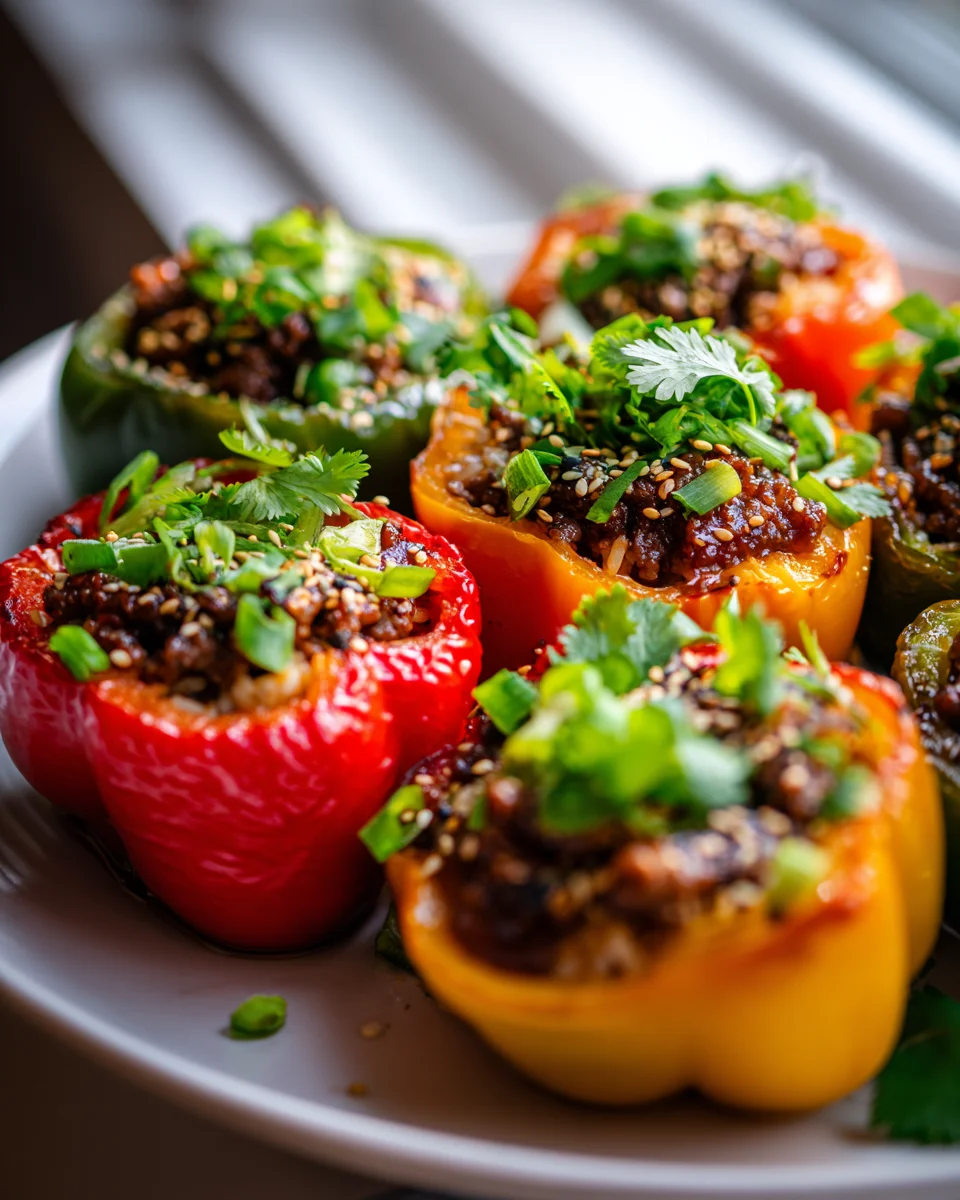
Korean Beef Bulgogi Stuffed Bell Peppers With Rice is a delightful fusion of flavors that brings savory, sweet, and spicy together in one wholesome dish. The tender beef bulgogi combined with fresh bell peppers and fluffy rice creates a satisfying meal that’s both comforting and vibrant.
This is the kind of recipe I come back to again and again, especially when I want to impress friends at a gathering or simply enjoy a hearty dinner with my family. It never fails to bring smiles to the table! I encourage you to try your hand at this delicious recipe and make it your own—experiment with different vegetables or spices. Don’t forget to share your results; I’d love to hear about your unique twists!
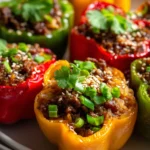
Korean Beef Bulgogi Stuffed Bell Peppers with Rice Delight
- Total Time: 45 minutes
- Yield: 4 servings 1x
Description
Experience the comforting flavors of Korean beef bulgogi reimagined in vibrant stuffed bell peppers. This dish combines savory beef, colorful vegetables, and fluffy rice for a hearty and delicious meal.
Ingredients
- 1 lb (450g) ground beef (preferably flank steak, thinly sliced)
- 3 tablespoons soy sauce
- 2 tablespoons brown sugar
- 1 tablespoon sesame oil
- 2 teaspoons minced garlic (about 2 cloves)
- 1 teaspoon minced ginger
- 1 tablespoon Gochujang (Korean red chili paste) – adjust for spice preference
- 1 tablespoon rice vinegar
- 1 tablespoon scallions, finely chopped (green part only)
- 1 tablespoon sesame seeds
- 1 small carrot, julienned
- 1 small onion, thinly sliced
- 1 cup mushrooms, thinly sliced (shiitake or button mushrooms work well)
- Salt and pepper to taste
- 1 cup jasmine rice (or short-grain rice)
- 2 cups water
- Pinch of salt
- 4 large bell peppers (any color: red, yellow, or green)
- Olive oil for drizzling
- Salt and pepper to taste
Instructions
- Preheat your oven to 375°F (190°C). This temperature will help roast the bell peppers perfectly, ensuring they are tender yet still retain some structure.
- In a medium saucepan, combine 1 cup of jasmine rice, 2 cups of water, and a pinch of salt. Bring it to a boil over medium-high heat. Once boiling, reduce the heat to low, cover, and simmer for 18-20 minutes. You’ll know it’s done when all the water is absorbed and the rice is fluffy.
- While the rice is cooking, prepare the beef bulgogi filling. In a large skillet over medium heat, add the ground beef. Cook for about 5-7 minutes, breaking it up with a spatula until it’s browned and cooked through. Aim for a nice golden color without burning.
- Add the minced garlic and ginger to the skillet with the beef, stirring constantly for about 1 minute until fragrant. This step is crucial as it infuses the beef with aromatic flavors.
- Next, stir in the soy sauce, brown sugar, sesame oil, Gochujang, and rice vinegar. Mix well and let it simmer for another 2-3 minutes until the sauce thickens slightly and coats the beef. Be careful not to let it burn; keep an eye on the heat.
- Incorporate the sliced onions, mushrooms, carrots, scallions, and sesame seeds into the beef mixture. Cook for an additional 5 minutes until the vegetables are softened but still vibrant. This adds texture and freshness to your filling.
- While the filling is cooling slightly, prepare the bell peppers. Cut the tops off the peppers and remove the seeds. Drizzle a little olive oil inside each pepper and season with salt and pepper. This will enhance the flavor of the peppers as they roast.
- Once the rice is cooked, fluff it with a fork and mix it gently into the beef filling. Ensure everything is well combined; this will make each bite perfectly balanced.
- Stuff each bell pepper generously with the beef and rice mixture, packing it down gently. Place the stuffed peppers upright in a baking dish, allowing them to stand on their own.
- Cover the baking dish with aluminum foil and bake in the preheated oven for 25-30 minutes. You’ll know they’re ready when the peppers are tender and the filling is heated through. Remove the foil for the last 5 minutes if you want a slight char on top.
- Prep Time: 15 mins
- Cook Time: 30 mins
- Category: Dinner
- Method: Baking
- Cuisine: Korean
Nutrition
- Serving Size: 1 stuffed pepper
- Calories: 400
- Sugar: 6 g
- Sodium: 800 mg
- Fat: 20 g
- Saturated Fat: 6 g
- Unsaturated Fat: 10 g
- Trans Fat: 0 g
- Carbohydrates: 30 g
- Fiber: 3 g
- Protein: 25 g
- Cholesterol: 70 mg
Keywords: One common mistake is overcooking the beef filling, which can make it tough. Use a high-quality soy sauce for better flavor. For an extra crunch, consider adding chopped nuts like walnuts or cashews to the filling.