
West Coast Fish Buddha Bowl
Welcome to a Bowl of West Coast Freshness!
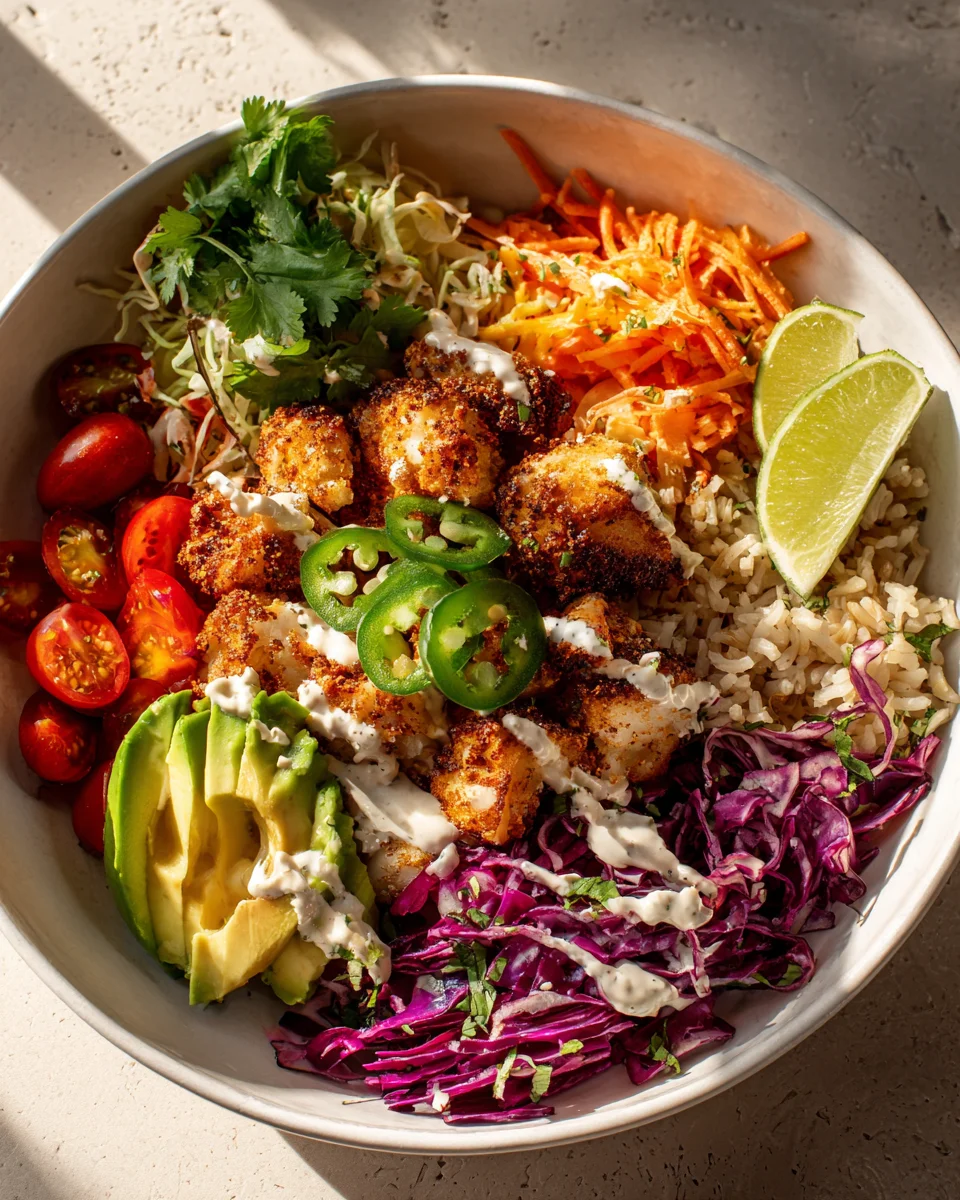
Oh, let me tell you, there’s nothing quite like a West Coast Fish Buddha Bowl to brighten your day and nourish your body! I absolutely adore this recipe because it perfectly captures that fresh, vibrant, and wholesome feeling that the West Coast is famous for. It’s special because it transforms simple, high-quality ingredients into a stunning, complete meal that’s bursting with flavor and texture in every single bite.
You’re going to love this dish for so many reasons. First, it’s incredibly satisfying without being heavy, making it ideal for a vibrant lunch or a lighter dinner. It’s packed with lean, flaky fish – think perfectly pan-seared or baked white fish like cod or halibut – paired with a colorful medley of crisp vegetables, creamy avocado, and a hearty grain like quinoa or brown rice. But what truly brings it all together and makes it irresistible is the bright, zesty dressing that ties every component into a harmonious symphony of flavors.
Essentially, this West Coast Fish Buddha Bowl is your ticket to a delicious, nourishing meal all served beautifully in one bowl. It’s an explosion of colors, textures, and fresh tastes that will leave you feeling energized and completely content. Trust me, once you try this, it’ll become a regular in your rotation!
Ingredient Notes
Crafting the perfect West Coast Fish Buddha Bowl starts with selecting fresh, vibrant ingredients that truly sing. I always aim for quality here, as each component contributes to the overall harmony of flavors and textures.
Fish Selection
- White, Flaky Fish: For that quintessential West Coast feel, I love using a mild, flaky white fish. Cod, halibut, rockfish, or snapper are my top choices. They cook beautifully, absorb marinades well, and have a delicate texture that complements the fresh bowl components.
- Substitutions: If you’re looking for something different, salmon or arctic char would also be fantastic, adding a richer, more pronounced flavor. For a completely plant-based option, try pan-seared extra-firm tofu or marinated tempeh, seasoned similarly to the fish, ensuring it still carries that fresh, savory profile. Shrimp also works wonderfully for a quick protein boost.
Grain Base
- Quinoa or Brown Rice: These are my go-to bases. Quinoa offers a complete protein and a slightly nutty flavor, while brown rice provides a satisfying chewiness and earthy notes. Both are excellent for soaking up the dressing.
- Substitutions: Farro, couscous, or even a blend of wild rice can also be used. For a lower-carb option, consider a base of cauliflower rice or extra leafy greens.
Vibrant Vegetables
This is where the Buddha bowl truly shines, offering a rainbow of nutrients and textures.
- Roasted Vegetables: Sweet potatoes are a must for their sweetness and soft texture. I also love adding asparagus, bell peppers (any color), or zucchini. Roasting brings out their natural sugars and creates a lovely caramelized edge.
- Fresh Vegetables: Avocado for creaminess, thinly sliced cucumber and radish for a refreshing crunch, shredded carrots for sweetness, and purple cabbage for color and crispness are standard in my bowl. A generous bed of mixed greens or baby spinach also adds lightness.
- Substitutions: Feel free to swap in seasonal vegetables! Cherry tomatoes, roasted Brussels sprouts, green beans, or snap peas would all be delicious additions.
The Dressing
A good dressing ties everything together. My favorite for this bowl is a bright, zesty lemon-tahini creation.
- Key Ingredients: Tahini (sesame paste), fresh lemon juice, olive oil, a touch of maple syrup or honey, garlic, water to thin, and a pinch of salt and pepper. Fresh dill or cilantro can be blended in for extra herbaceousness.
- Substitutions: If tahini isn’t your preference, a creamy avocado-lime dressing or a simple red wine vinaigrette could work. For a zesty alternative, a non-alcoholic white wine vinegar or apple cider vinegar can replace traditional wine vinegars in a vinaigrette.
Toppings & Garnish
- Crunch and Freshness: Toasted pumpkin seeds (pepitas) add a satisfying crunch and healthy fats. Fresh dill or cilantro are non-negotiable for that fresh, aromatic finish.
- Substitutions: Toasted slivered almonds, sesame seeds, crispy fried onions, or even a sprinkle of chili flakes can elevate the texture and flavor.
Step-by-Step Instructions
Building your West Coast Fish Buddha Bowl is a delightful process, allowing you to layer flavors and textures into a cohesive and satisfying meal. Here’s how I bring it all together:
-
Prepare Your Fish
- Preheat your oven to 400°F (200°C), or prepare a skillet for pan-searing.
- Pat your white fish fillets dry with paper towels. This helps ensure a nice crust or even cooking.
- Season generously with salt, black pepper, a squeeze of fresh lemon juice, and a drizzle of olive oil. You can also add a pinch of garlic powder or a sprinkle of dried dill.
- For Baking: Place the seasoned fish on a parchment-lined baking sheet and bake for 10-15 minutes, depending on thickness, until flaky and cooked through.
- For Pan-Searing: Heat a tablespoon of olive oil in a non-stick skillet over medium-high heat. Sear the fish for 3-5 minutes per side, until golden brown and cooked through.
- Once cooked, set the fish aside to rest for a few minutes before gently flaking it into bite-sized pieces.
-
Cook Your Grain Base
- Rinse your quinoa or brown rice thoroughly under cold water.
- Prepare according to package directions. For quinoa, typically combine 1 cup quinoa with 2 cups water (or vegetable broth for extra flavor) in a saucepan, bring to a boil, then reduce heat to low, cover, and simmer for 15 minutes, or until all water is absorbed. Let stand for 5 minutes, then fluff with a fork.
- For brown rice, follow a similar process, but it may take longer, usually 40-50 minutes.
- Once cooked, set aside.
-
Roast the Vegetables
- While your fish and grain are cooking, chop your sweet potato into 1/2-inch cubes. If using, chop asparagus, bell peppers, or zucchini into similar-sized pieces.
- Toss the chopped vegetables with a tablespoon of olive oil, salt, and pepper on a baking sheet.
- Roast in the preheated 400°F (200°C) oven for 20-25 minutes, or until tender and lightly caramelized. Give them a toss halfway through for even cooking.
- Remove from oven and set aside.
-
Prepare the Fresh Components
- While everything else is cooking, get your fresh veggies ready. Slice your avocado, thinly slice cucumber and radishes, shred carrots and purple cabbage.
- Wash and spin dry your mixed greens or baby spinach.
-
Whip Up the Dressing
- In a small bowl or jar, combine 1/4 cup tahini, 3 tablespoons fresh lemon juice, 2 tablespoons olive oil, 1 tablespoon water (add more as needed to reach desired consistency), 1 clove minced garlic, 1 teaspoon maple syrup (or honey), and a pinch of salt and pepper.
- Whisk vigorously until smooth and creamy. If it’s too thick, add water a teaspoon at a time until it’s pourable but still rich. Taste and adjust seasonings – you might want more lemon or a bit more sweetness. If adding fresh dill or cilantro, finely chop and stir it in now.
-
Assemble Your Buddha Bowl
- In a large, wide bowl, start with your grain base at the bottom. I usually do about 1/2 to 3/4 cup.
- Artfully arrange sections of your cooked fish, roasted sweet potatoes and other roasted vegetables, sliced avocado, cucumber, radish, shredded carrots, and purple cabbage around the grain.
- Fill any remaining space with a handful of fresh mixed greens or spinach.
- Drizzle generously with your creamy lemon-tahini dressing.
- Finish with a sprinkle of toasted pumpkin seeds and fresh dill or cilantro. Serve immediately and enjoy the freshness!
Tips & Suggestions
Creating a truly outstanding West Coast Fish Buddha Bowl goes beyond just following the steps. Here are some of my favorite tips and suggestions to help you elevate your bowl to masterpiece status, ensuring it’s both delicious and a joy to eat.
Mastering the Fish
- Don’t Overcook: This is key for flaky, tender fish. White fish cooks quickly. As soon as it flakes easily with a fork, it’s done. Overcooked fish becomes dry and tough, which we definitely want to avoid in this fresh bowl.
- Seasoning: While simple lemon, salt, and pepper are great, don’t hesitate to experiment. A pinch of smoked paprika, dried oregano, or a dash of mild chili powder can add subtle depth without overpowering the delicate fish.
- Cooking Method Variety: Besides baking or pan-searing, consider grilling your fish if the weather permits for a lovely smoky flavor, or even using an air fryer for extra crispness and minimal oil.
The Power of Prep (Meal Prep Friendly!)
- Component Preparation: Buddha bowls are fantastic for meal prepping. You can cook your grain, roast your vegetables, and prepare your fresh veggies (except avocado) ahead of time. Store each component separately in airtight containers in the fridge.
- Dressing on Demand: Make a larger batch of the lemon-tahini dressing and store it in a jar. It will keep well for up to 5 days in the refrigerator. This makes assembly super fast during busy weekdays.
- Freshness First: Always slice your avocado right before serving to prevent browning, and add your dressing just before eating to keep greens and fresh veggies crisp.
Customize to Your Heart’s Content
- Seasonal Swaps: Embrace the “West Coast” vibe by incorporating seasonal produce. In summer, add fresh corn kernels or heirloom tomatoes. In fall, roasted Brussels sprouts or butternut squash could replace asparagus.
- Texture Play: Aim for a variety of textures in every bite. The creamy avocado against the crunchy radish, the flaky fish with the chewy grain, and the tender roasted veggies all contribute to a dynamic eating experience. Don’t forget those toasted seeds for an extra pop of crunch!
- Herb Power: Fresh herbs are non-negotiable for brightness. Beyond dill and cilantro, consider fresh parsley, chives, or even a sprinkle of mint for an unexpected twist.
Dressing Delights
- Taste and Adjust: Always taste your dressing before drizzling. It’s the binder for all the flavors, so ensure it’s balanced – perhaps more lemon for tang, a touch more maple syrup for sweetness, or a dash more water to thin.
- Make Extra: A good dressing is versatile! Leftover lemon-tahini dressing is excellent on salads, roasted vegetables, or even as a dip for raw veggies.
Presentation Matters
- Sectioning: Arranging your components in distinct sections within the bowl, rather than mixing them all together, makes for a visually appealing and appetizing meal. It’s a “buddha bowl” after all – meant to be a beautiful, balanced offering.
Storage
One of the best things about the West Coast Fish Buddha Bowl is its versatility and how well it lends itself to meal prepping. However, for the best quality and food safety, proper storage is crucial. Here’s how I store my components to keep them fresh and delicious for future meals.
Separate is Best
The golden rule for storing Buddha bowls is to keep the components separate until you’re ready to eat. This prevents sogginess, maintains texture, and ensures everything stays fresh for as long as possible.
- Cooked Fish:
- Once cooked, allow the fish to cool completely before transferring it to an airtight container.
- Store in the refrigerator for up to 1-2 days.
- Reheating Fish: I recommend gently reheating the fish in a microwave for 30-60 seconds, or in a toaster oven at a low temperature (around 275°F / 135°C) for 5-7 minutes, until just warmed through. Be careful not to overcook it, as it can dry out quickly.
- Cooked Grains (Quinoa/Brown Rice):
- Allow the grains to cool fully.
- Store in an airtight container in the refrigerator for 3-4 days.
- Reheating Grains: Grains can be reheated in the microwave, adding a tablespoon of water or broth to prevent them from drying out.
- Roasted Vegetables:
- Let the roasted vegetables cool completely.
- Transfer to an airtight container and store in the refrigerator for 3-4 days.
- Reheating Roasted Vegetables: These can be reheated in the microwave, or for a crisper texture, pop them back in a toaster oven or conventional oven for a few minutes.
- Fresh Vegetables (Shredded Carrots, Cabbage, Cucumber, Radish, Greens):
- Store these in separate airtight containers or zip-top bags.
- Keep them dry to prevent spoilage. You can place a paper towel in the container with your greens to absorb excess moisture.
- These typically last 3-5 days in the refrigerator, with softer greens possibly wilting sooner.
- Avocado: Always cut avocado just before serving. If you have leftover avocado half, store it with the pit in, tightly wrapped in plastic wrap or in an airtight container, sometimes with a squeeze of lemon juice, for a day or so. It will still brown a bit, but less.
- Lemon-Tahini Dressing:
- Store the dressing in a sealed jar or airtight container in the refrigerator.
- It will keep well for up to 5 days.
- Give it a good shake or whisk before each use, as the tahini may separate slightly. If it thickens too much in the fridge, you can thin it with a teaspoon of water or lemon juice.
Assembly for On-the-Go
If you’re prepping bowls for lunches, you can layer them strategically:
- Dressing at the very bottom.
- Hardier cooked components (grains, roasted veggies) next.
- Then the fish.
- Finally, the fresh vegetables and greens on top.
- Keep avocado separate and add it right before eating.
This method keeps the greens from getting soggy. When ready to eat, simply shake the container or empty into a larger bowl and mix.
Final Thoughts
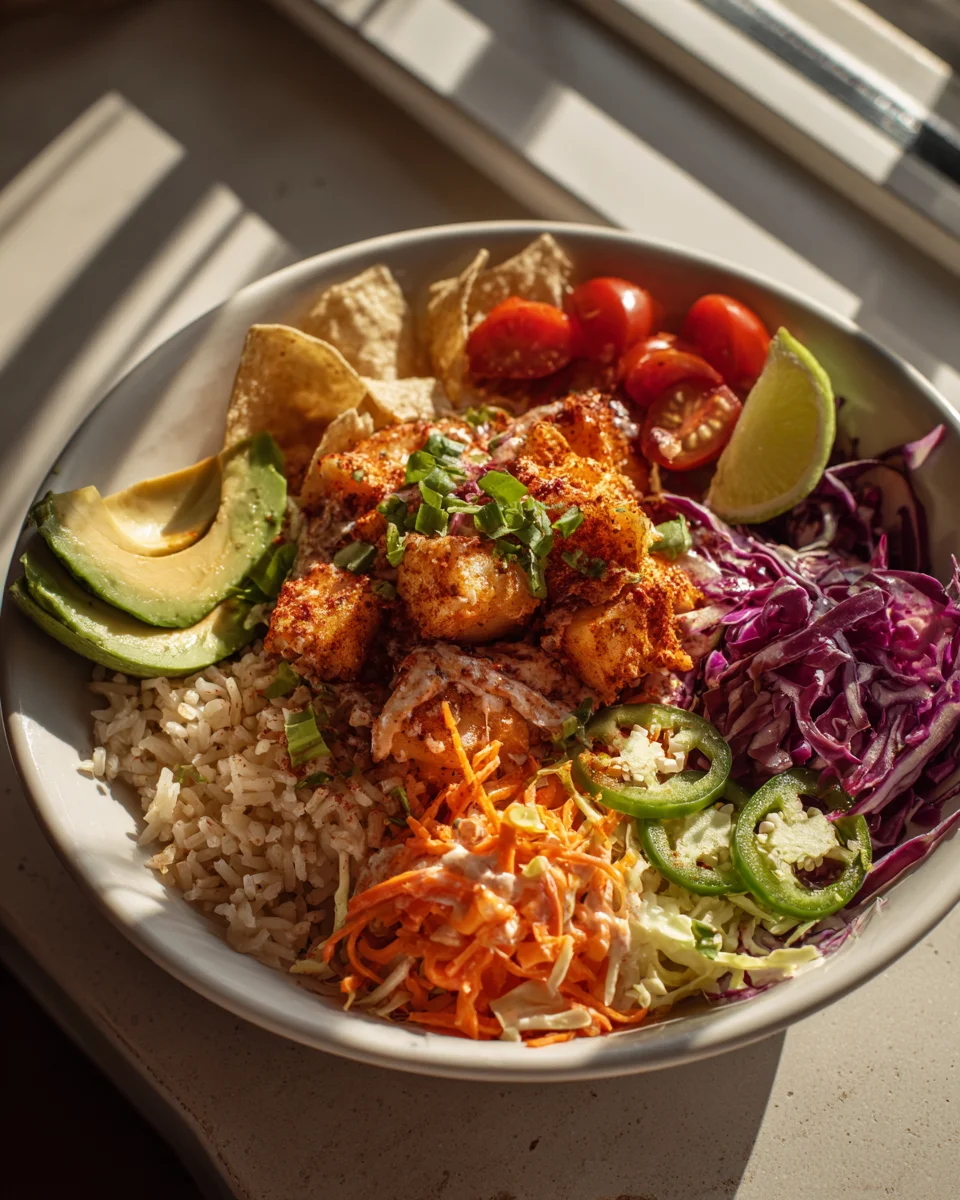
And there you have it! I truly hope you’ve enjoyed creating and, most importantly, savoring this incredible West Coast Fish Buddha Bowl. What I love most about this particular dish is how it perfectly captures the spirit of the West Coast – fresh, vibrant, and effortlessly wholesome.
This isn’t just another meal; it’s an experience. The delicate, perfectly cooked fish, combined with crisp, colorful vegetables, the creamy avocado, and that fantastic dressing, all come together in a symphony of flavors and textures. Every bite of the West Coast Fish Buddha Bowl is a little burst of sunshine, making it an ideal choice for a nutritious lunch or a light, satisfying dinner.
It’s quick to assemble, incredibly customizable to your favorite ingredients, and truly a feast for both the eyes and the palate. I promise you, once you try the West Coast Fish Buddha Bowl, it will quickly become a beloved staple in your kitchen. Go ahead, dive in and enjoy the fresh, wholesome goodness!
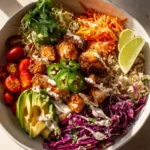
West Coast Fish Buddha Bowl Recipe: Healthy & Delicious
- Total Time: 50 minutes
- Yield: 4 servings
Description
Experience the vibrant flavors of the West Coast with this nourishing Fish Buddha Bowl. Packed with fresh ingredients and a zesty dressing, it’s the perfect meal for any time of day.
Ingredients
- White flaky fish (cod, halibut, rockfish, snapper, or salmon)
- Olive oil
- Salt
- Black pepper
- Fresh lemon juice
- Garlic powder
- Quinoa or brown rice
- Sweet potatoes
- Asparagus
- Bell peppers (any color)
- Zucchini
- Avocado
- Cucumber
- Radish
- Shredded carrots
- Purple cabbage
- Mixed greens or baby spinach
- Tahini (sesame paste)
- Maple syrup or honey
- Water
- Fresh dill or cilantro (optional)
- Toasted pumpkin seeds (pepitas)
Instructions
- Preheat your oven to 400°F (200°C), or prepare a skillet for pan-searing.
- Pat your white fish fillets dry with paper towels. Season generously with salt, black pepper, a squeeze of fresh lemon juice, and a drizzle of olive oil. Optionally, add a pinch of garlic powder or a sprinkle of dried dill.
- For baking, place the seasoned fish on a parchment-lined baking sheet and bake for 10-15 minutes until flaky and cooked through. For pan-searing, heat a tablespoon of olive oil in a non-stick skillet over medium-high heat and sear the fish for 3-5 minutes per side until golden brown.
- Set the cooked fish aside to rest for a few minutes before gently flaking it into bite-sized pieces.
- Rinse your quinoa or brown rice thoroughly under cold water. Prepare according to package directions. For quinoa, combine 1 cup quinoa with 2 cups water (or vegetable broth) in a saucepan, bring to a boil, reduce heat to low, cover, and simmer for 15 minutes. For brown rice, follow a similar process, but it may take longer, usually 40-50 minutes.
- While your fish and grain are cooking, chop your sweet potato into 1/2-inch cubes and, if using, chop asparagus, bell peppers, or zucchini into similar-sized pieces. Toss the chopped vegetables with a tablespoon of olive oil, salt, and pepper on a baking sheet. Roast in the preheated oven for 20-25 minutes until tender and lightly caramelized.
- While everything else is cooking, prepare your fresh veggies by slicing your avocado, thinly slicing cucumber and radishes, and shredding carrots and purple cabbage. Wash and spin dry your mixed greens or baby spinach.
- In a small bowl or jar, combine 1/4 cup tahini, 3 tablespoons fresh lemon juice, 2 tablespoons olive oil, 1 tablespoon water, 1 clove minced garlic, 1 teaspoon maple syrup (or honey), and a pinch of salt and pepper. Whisk until smooth and creamy, adjusting with water as needed.
- In a large bowl, start with your grain base at the bottom. Artfully arrange sections of your cooked fish, roasted sweet potatoes and other vegetables, sliced avocado, cucumber, radish, shredded carrots, and purple cabbage around the grain. Fill any remaining space with mixed greens.
- Drizzle generously with the lemon-tahini dressing and finish with a sprinkle of toasted pumpkin seeds and fresh dill or cilantro. Serve immediately.
- Prep Time: 20 mins
- Cook Time: 30 mins
- Category: Lunch/Dinner
- Method: Baking/Pan-searing
- Cuisine: American
Nutrition
- Serving Size: 1 bowl
- Calories: 450
- Sugar: 5 g
- Sodium: 350 mg
- Fat: 20 g
- Saturated Fat: 3 g
- Unsaturated Fat: 15 g
- Trans Fat: 0 g
- Carbohydrates: 50 g
- Fiber: 10 g
- Protein: 25 g
- Cholesterol: 60 mg
Keywords: Feel free to customize with seasonal vegetables or different grains. For a plant-based option, substitute fish with extra-firm tofu or marinated tempeh.